• Skip to main content
  • Skip to header right navigation
  • Skip to after header navigation
  • Skip to site footer
eco life logo

Eco Life Zone

Green living for a sustainable eco based future

  • About
  • Sustainability
    • Eco-Friendly Homes
      • Energy Efficiency
      • Solar Power Systems
      • Water Conservation
      • Wind Turbines
    • Sustainable Transportation
      • Biking
      • Electric and Hybrid Cars
      • Public Transport
      • Walking and Pedestrian-Friendly Initiatives
    • Zero Waste Lifestyle
      • Composting
      • Recycling
      • Reducing Single-Use Plastics
      • Sustainable Packaging
  • Green Living
    • Natural Health
      • Ethical Fashion
      • Herbal Remedies
      • Holistic Wellness Practices
      • Nutrition and Whole Foods
    • Organic Gardening
      • Permaculture
      • Urban Gardening
  • Travel
    • Eco-Friendly Destinations
      • Eco-Lodges
      • National Parks and Reserves
    • Low Impact Travel
      • Carbon Offsetting
      • Packing Light
    • Responsible Travel
      • Ethical Animal Tourism
      • Voluntourism
  • Contact
  • Jobs
  • Learn More

Eco-Friendly Homes

Understanding Eco-Friendly Homes: A Comprehensive Guide

eco friendly homeUnderstanding eco-friendly homes, or green homes, can be a comprehensive exploration into various aspects of creating a home that is sustainable and built with the environment in mind.

The focus on eco-friendly home construction and home improvement methods has reached new heights as the urgency to reduce carbon emissions has increased.

An eco-friendly house is one that is designed to be energy efficient, uses less energy, and minimizes harmful effects on the environment. It is focused on sustainability and energy efficiency, with an overarching goal to reduce the homeowner’s carbon footprint.

Essential elements of an eco-friendly home include energy-efficient appliances and fixtures, well-considered insulation techniques, and intelligent systems that control heat and cooling effectively. Moreover, using sustainable materials such as natural insulation and adopting construction techniques that reduce environmental impact are also part of green home design.

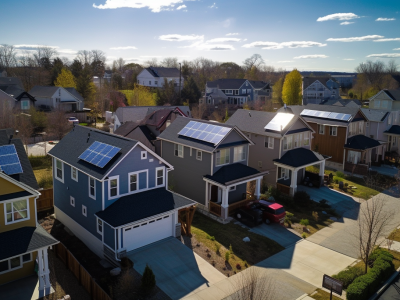
Several modifications can be made to make existing homes greener and reduce their emissions. To start, homeowners can install solar panels, which convert solar energy into renewable energy for household use, significantly shrinking energy bills. More passive practices include enhancing insulation to keep the home warmer in the winter, utilizing LED bulbs to lower energy usage, and choosing Energy Star-rated appliances that offer high energy efficiency. Beyond appliances and energy use, eco-friendly homes also consider water use, from fixtures like toilets and water heaters to more elaborate systems such as rainwater collection mechanisms, cutting down water usage and making smarter use of this precious resource.

With everything from Energy Star appliances, solar power implementation, water usage reduction, and alternate energy source incorporation, the overall goal is to achieve a combination of sustainability and energy efficiency, creating a home that is both grounded in sustainable living and friendly to its inhabitants. Finally, important aspects like the living space’s floor plans, routinely using eco-friendly products and cultivating a green rooftop or a living wall all work to further reduce energy and water consumption, thus reducing the impact on the environment.

Principles of Sustainable Home Design for Your Next Home Improvement

Embarking on your next home improvement journey with the principles of sustainable home design in mind can lead to significant rewards. The concept of a “green building,” with an emphasis on eco-friendly approaches, is highly sustainable and goes beyond just being trendy. The objective is to design homes in a way that they work with the environment, rather than against it. Such an undertaking can greatly reduce the home’s energy costs, make your living space healthier, and significantly lessen the environmental impact. Using materials that are sourced responsibly, incorporating an eco-friendly air conditioning system, or installing a green roof can not only help reduce your utility bills but also promote a healthier and more sustainable lifestyle.

Here are some recommended strategies to make your home more sustainable:

  • Creating a smart home environment, in which everything from lighting to appliances is intelligently controlled, can significantly reduce energy consumption. Automation ensures that your homes are built for maximum efficiency and minimal energy waste.
  • Selecting locally sourced, sustainable materials for building a home can also save a lot of energy that would have otherwise been spent on transportation. Moreover, it supports local businesses and reduces the carbon footprint of your home improvement project.
  • Implementing a green roof or an energy-efficient home irrigation system can help moderate the temperature inside your home, lessen the need for artificial air conditioning, and reduce water usage.
  • Switching to renewable energy sources, whether it is installing solar panels or investing in wind power, contributes to an eco-friendly, sustainable energy home.
  • Finally, the U.S. Green Building Council recommends incorporating a lot of natural light in your designs. This can help save on energy costs by reducing the need for artificial light during the day.

Applying these principles to tiny homes can yield a compact yet highly efficient living space. Remember, sustainable building is about creating homes where nature and technology go hand in hand to build a sustainable future. With these practices, you can be at the forefront of green living and contribute towards the creation of a green-built home environment. The key focus is to minimize the energy used across the lifecycle of the home, from the building process to the eventual home uses, while also maintaining a comfortable and satisfying living space.

Building the Passive House: Steps to Achieve an Eco-Friendly House

Building a Passive House outlines a pioneering path towards crafting an eco-friendly residence, illustrating how mindful construction can merge seamlessly with leading-edge environmental responsibility. The conceptual underpinnings of Passive House aligns with eco principles, namely optimized energy efficiency and lesser dependency on conventional means of heating or cooling. The paramount objective is to create a built home that aligns with the optimal home energy usage, limits environmental impact, and simultaneously guarantees superior living comfort. Built homes that adhere to Passive House principles use energy judiciously, ensuring that the domestic environment remains ideally heated or cooled with minimum energy expenditure.

Constructing a Passive House involves many sustainable strategies, each contributing to the comprehensive goal of creating an eco-friendly home that’s supremely efficient. It starts with robust insulation, prioritizing performance-oriented materials that hamper heat exchange with the exterior environment. The home’s limited heat loss is further suppressed by installing high-efficiency windows, which play a pivotal role in allowing sunlight in while minimizing energy leakage. Implementing ventilation systems with heat salvage capabilities completes the ensemble, ensuring proper air circulation while minimizing energy loss.

These steps are integral to building a green home that uses energy wisely, exemplifying sustainable living. Embracing such ethos in building construction not only promises substantial reductions in energy costs but also strides towards a healthier and greener environment.

An Insight into Green Home: Environmentally Friendly Approaches in House Construction

An exploration into the concept of a green home is more than just an analysis of architectural designs – it’s a deep dive into sustainable practices that prioritize the environment while constructing domiciles. The growing awareness of global climate change has indeed spurred a revolution in how homes are built, marking a shift from traditional designs to those that are more environmentally conscious. Central to this paradigm shift is the incorporation of environmentally friendly approaches in house construction. The essence of these approaches revolves around minimizing waste, maximizing efficiency, and using materials that are not only eco-friendly but also sustainable.

A typical eco-friendly home built using these methodologies is essentially an amalgamation of several innovative techniques and materials. Firstly, the use of renewable energy sources, such as solar and wind power, is integral to these homes. Similarly, efficient insulation to limit energy usage, water conserving measures, and waste recycling are additional practices integral to environmentally sound construction. For a more tangible grasp, consider these key elements:

  • Sustainable materials like reclaimed lumber, bamboo, or recycled metal for construction.
  • Advanced, energy-efficient windows and insulation techniques.
  • Integration of renewable energy systems, like solar or wind-powered solutions.
  • Landscaping that prioritizes native flora, reducing water use and promoting local ecosystems.
  • Efficient water systems that minimize waste while maintaining normal functions, like low-flow showerheads or rainwater catchment systems.

In the vast landscape of house construction, these environmentally-friendly approaches position a home to not merely exist within nature, but to coexist harmoniously. It’s not just about constructing a house anymore, it’s about erecting a sanctuary that respects and integrates with the ecological balance of our natural world.

Going Beyond the Basics: Insulation, Energy Efficiency, and Ways to Heat and Cool Your Eco-Home

When considering an eco-home, the emphasis should not only be on its sustainable architecture but also on advanced energy efficiency strategies that go beyond the basics. Insulation is paramount in creating an energy-efficient eco-home. It contributes to a comfortable and healthy living environment by maintaining a consistent indoor temperature, reducing the need for artificial heating and cooling. Insulating materials like cellulose, fiberglass, and eco-friendly options such as recycled denim, sheep’s wool, or straw bales can be used effectively to lessen heat gain or loss. Optimal insulation contributes to reducing your overall carbon footprint and utility bills, a win-win situation for the environment and your budget.

Keeping an eco-home comfortable throughout the year without relying solely on traditional methods is a hallmark of energy efficiency. There are several ways to parcel out heat and coolness seamlessly throughout your home. Implementing savvy tech like a programmable thermostat can aid in moderating temperatures efficiently according to your specific needs, while energy-efficient windows and doors can prevent air leakage, lowering energy usage. Cooling can be achieved naturally by promoting airflow through the smart placement of windows and doors or utilizing shading solutions to limit solar heat gain.

On the other hand, for heating, solar heat gain through windows or thermal mass materials can serve effectively. Furthermore, alternative heating methods such as geothermal heat pumps or solar panel heaters are worth exploring for their eco-friendly nature and long-term value. With these techniques, an eco-home can live up to its name, offering energy efficiency without compromising on the comfort of the inhabitants.

Popular Sustainable Living Techniques: Energy Efficient Appliances, Rainwater Collection, and Renewable Energy Use in Homes

As the world grapples with the increasing realities of climate change, popular sustainable living techniques such as energy-efficient appliances, rainwater collection, and renewable energy use in homes are gaining traction. These eco-friendly approaches offer a pragmatic and feasible route towards drastically reducing an individual’s environmental impact. Energy efficient appliances, for instance, conserve energy and, in turn, reduce greenhouse gas emissions, making homes much greener. These modern appliances are designed to perform tasks equal, if not superior, to traditional appliances, but with a fraction of energy consumption making them eco-friendly.

Rainwater collection, another popular sustainable living technique, allows homeowners to harvest nature’s resources during periods of rainfall. This harvested water can be used for various household chores, including gardening, flushing toilets, etc, thereby reducing reliance on treated water supply. Finally, harnessing renewable energy sources to power homes is a game-changing strategy for adopting a sustainable lifestyle. Utilizing renewable energy sources like sun, wind, and even geothermal can drastically reduce dependence on fossil fuels and lower electricity bills. It is essential to note how these methods:

  • Lower carbon footprints
  • Reduce waste and pollution
  • Contribute to energy conservation efforts
  • Bring down utility bills

In essence, sustainable living techniques represent an eco-friendly lifestyle which is more a necessity than a choice in our current times. By employing these techniques, we can contribute to the global cause of resource conservation and climate change mitigation, right from our homes.

Transition into an Eco-Friendly Building: Make Your Home More Sustainable with Energy Star-rated Appliances and Fixtures

Transitioning into an eco-friendly building demands a shift in focus towards utilizing more sustainable materials, designs, and technologies. One significant change that homeowners and building managers can implement in their sustainable journey is the adoption of Energy Star-rated appliances and fixtures. Energy Star, a program initiated by the U.S. Environmental Protection Agency, supports and promotes energy-efficient products to help combat climate change and reduce greenhouse gas emissions. When you equip your home with Energy Star-rated appliances, you not only reduce your energy consumption but also play a vital role in promoting a much larger, global ecological mission. There’s a myriad of Energy Star-rated appliances and fixtures readily available on the market to help transition your home into a more eco-friendly building. These include:

  • Energy Star-rated refrigerators, which use 15% less energy than non-certified models.
  • Energy-efficient dishwashers that not only save energy but also use less water.
  • Light fixtures and bulbs that use 70-90% less energy than traditional incandescent lights.

By incorporating these appliances and more into your home, you can significantly reduce your overall energy consumption, save on your utility bills, and contribute majorly towards environmental conservation. Every small step towards adopting eco-friendly practices plays a vital role in creating a more sustainable world for us and future generations.

Making the Smart Choice: Leverage Prefab Homes and Eco-Friendly Building Materials for Reduced Energy Use

Prefab homes, or prefabricated homes, are increasingly drawing popularity in the modern world, attributed to their host of benefits which majorly revolve around sustaining the environment. This innovative solution involves the construction of parts of a building off-site, and then transporting and assembling them on the intended site. Prefab homes are a smart choice because they not only short-cut the traditional building process, but they also integrate eco-friendly building materials thereby reducing energy use significantly.

Consider the inherent advantages that come with prefab homes: they minimize construction waste, require less transportation thereby reducing carbon dioxide emissions, and enable a shorter construction time as compared to their conventional counterparts. Conveniently, leveraging eco-friendly building materials such as bamboo, recycled steel, or even reclaimed wood in building prefab homes not only serves to reduce energy use, but also promotes healthy and sustainable practices.

If you are contemplating sustainable options for your future home, consider this:

  • Prefab homes are efficient and reduce the usage of materials and waste.
  • The use of eco-friendly materials promotes environmental preservation.
  • Accelerated timeline for construction, reducing potential impact on the local ecosystem.
  • Improved overall energy efficiency in the lifespan of the home.

Clearly, making the smart choice to leverage prefab homes and eco-friendly building materials not just benefits the environment, but also provides an array of compelling advantages for homeowners.

Reconfiguring Existing Homes: Ideas to Transform Your Home into an Energy-Efficient One

Reconfiguring existing homes to make them more energy efficient can be a powerful step towards a more sustainable and eco-friendly lifestyle. Creating energy efficiency in a home not only minimizes utility bills but also significantly reduces the overall environmental impact. Thus, one’s living space becomes a nurturing force not just for those who reside within it, but for the wider ecosystem as well. A variety of ways exist to transform your home, ranging from simple tweaks to substantial overhauls that can drastically enhance your home’s capability to conserve and more effectively utilize energy.

There are actionable steps a homeowner can undertake to make their home more energy efficient. The first step might be assessing insulation levels in your home. A well-insulated home results in less heat loss, thus reducing heating and cooling costs. Another worthwhile measure can be the incorporation of energy-saving appliances, which significantly use less power compared to standard models. An additional course of action might be to install ‘smart’ thermostats that adapt themselves to your lifestyle, adjusting temperatures when you are home and when you are away, leading to more cost-effective energy usage.

Investing in renewable energy like solar panels not only lowers electricity bills but also reduces reliance on non-renewable sources. Lastly, using LED or other energy-efficient lighting can go a long way in reducing electricity usage in your home. The reconfiguration of your home into an eco-friendly, energy-efficient living space is not only beneficial for your pocket, but it also grants the satisfaction of embracing a more sustainable lifestyle.

Earth-friendly Materials for Friendly Homes: Natural Materials in the Construction of Environmentally Friendly Homes

Earth-friendly materials are gaining significant traction within the construction industry, particularly concerning environmentally friendly homes. These natural materials, known for their low impact on our environment, embody the eco-friendly attributes many homeowners now desire. The sustainability of these materials paints a compelling picture in favor of their proliferation, not only from an environmental perspective but in terms of health benefits as well. Using organic, earth-friendly materials can result in fewer toxins released into the atmosphere, which serves to improve our indoor air quality.

Notably, various naturally sourced materials have proven themselves invaluable in the creation of eco-friendly homes. For instance, straw bales are an efficient insulation material, thick enough to keep the home warm in winter and cool in summer. Bamboo, another renewable resource, is a versatile material known for its strength and speedy growth. Cob, a mixture of clay, sand, straw, and water, is a time-tested material that provides excellent thermal mass, keeping homes warm in winter and cool in summer. Reclaimed or recycled wood, is not only environmentally friendly, but it also injects charm and character into any home. These are just a few examples of natural materials reshaping the construction industry and underlining the commitment to a sustainable and eco-friendly future.

Energy Efficiency Incentives and Rebates

December 6, 2023 by webmaster

Understanding the Concept of Sustainable Power Usage Rewards In the realm of energy conservation, the concept of Sustainable Power Usage Rewards has gained significant momentum in recent years. These rewards are typically aimed at fostering a culture of responsible energy utilization and sustainable practices among the general populace. The central premise revolves around incentivizing consumers …

Read moreEnergy Efficiency Incentives and Rebates

Home Energy Storage Solutions

December 6, 2023 by webmaster

Understanding the Concept of Energy Storage Energy storage refers to the capturing of energy produced at one time for use at a later stage. It serves as a critical hub in modern energy systems, ensuring consistent supply despite the unpredictable nature of many energy sources. This process involves gathering energy from a system or source …

Read moreHome Energy Storage Solutions

Energy-Efficient Heating and Cooling: Heat Pumps, Solar Panels, and More

December 6, 2023 by webmaster

Understanding the Concept of Efficiency in Home Temperature Control Efficiency in home temperature control refers to the ability of a system to maximize comfort whilst minimizing its energy usage. This principle is essential in the realm of heating, ventilation and air conditioning (HVAC) as it aims to provide optimal indoor environment quality. It aligns with …

Read moreEnergy-Efficient Heating and Cooling: Heat Pumps, Solar Panels, and More

Smart Home Technology for Energy Efficiency

December 6, 2023 by webmaster

Understanding the Concept of Energy-Efficient Home Automation Energy efficiency and home automation are two concepts that have gained significant traction in the current epoch, both individually and collectively. Energy efficiency, as the term implies, refers to the practice of using less energy to achieve the same output. It is a principle firmly grounded in sustainability …

Read moreSmart Home Technology for Energy Efficiency
led lighting

LED Lighting: Brighten Your Home While Saving Energy

December 6, 2023 by webmaster

Understanding the Basics of Light Emitting Diodes Light Emitting Diodes, often known as LEDs, have become a dominant fixture in the world of artificial lighting. Essentially, LEDs are small, solid light bulbs that are remarkably energy efficient and enduring. These innovative devices function differently than traditional light bulbs, using an entirely unique method to produce …

Read moreLED Lighting: Brighten Your Home While Saving Energy
sealing and insulating your home

Sealing and Insulating Your Home: Preventing Energy Loss

December 6, 2023 by webmaster

Understanding the Importance of Proper Home Insulation Home insulation plays a pivotal role in maintaining the comfort and efficiency of a residential structure. Proper insulation provides thermal resistance, which stalls the migration of heat and maintains a consistent internal temperature. It acts like a barrier, reducing the amount of heat that escapes during winter, thus …

Read moreSealing and Insulating Your Home: Preventing Energy Loss
installing insulated windows and doors

Energy-Efficient Windows and Doors: Enhancing Insulation

December 6, 2023 by webmaster

Understanding the Role of Windows and Doors in Temperature Regulation Windows and doors play a crucial role in maintaining a comfortable temperature in our homes. They create a physical barrier between the internal and external environment, helping to control the escape and entry of heat. Especially in harsh weather conditions, they are instrumental in preserving …

Read moreEnergy-Efficient Windows and Doors: Enhancing Insulation

Efficient Home – Sustainable Future | Strategies For Energy Savings

December 6, 2023 by webmaster

Introduction to Energy Efficiency and a Sustainable Future The concept of energy efficiency is intrinsically linked to the pursuit of a sustainable future, contributing significantly to our efforts to reduce carbon footprints, cut energy consumption, and limit greenhouse gas emissions. At its core, energy efficiency involves the optimization of energy usage, often through energy-efficient home …

Read moreEfficient Home – Sustainable Future | Strategies For Energy Savings
energy efficiency in a suburban neighborhood

Energize Your Eco-Home: A Comprehensive Guide to Energy Efficiency

December 6, 2023 by webmaster

Understanding the Concept of an Eco-Friendly Home In today’s world, the concept of an eco-friendly home is becoming increasingly significant. It refers to a residence designed to be environmentally sustainable, focusing on minimizing its impact on the environment. This is achieved through methods that limit the use of natural resources and reduce harmful emissions. An …

Read moreEnergize Your Eco-Home: A Comprehensive Guide to Energy Efficiency
  • Page 1
  • Page 2
  • Page 3
  • Page 4
  • Next

Embrace The Future NOW!

Where eco-sustainability is not just a concept, but a proactive commitment to a healthier planet for future generations.

Learn More
Eco Life Zone

Growing Greener, Living Cleaner: Your Journey to Sustainability.

555-864-2258

info@ecolife.zone

Sitemap
  • Home
  • Sitemap
  • About Us
  • Blog
  • Contact
Sustainable Life Insights

Dive into a our knowledge. Engaging and informative content on the dynamic world of sustainable and eco-friendly living.

Read More

Copyright © 2008 EcoLife.zone | All Rights Reserved.