• Skip to main content
  • Skip to header right navigation
  • Skip to after header navigation
  • Skip to site footer
eco life logo

Eco Life Zone

Green living for a sustainable eco based future

  • About
  • Sustainability
    • Eco-Friendly Homes
      • Energy Efficiency
      • Solar Power Systems
      • Water Conservation
      • Wind Turbines
    • Sustainable Transportation
      • Biking
      • Electric and Hybrid Cars
      • Public Transport
      • Walking and Pedestrian-Friendly Initiatives
    • Zero Waste Lifestyle
      • Composting
      • Recycling
      • Reducing Single-Use Plastics
      • Sustainable Packaging
  • Green Living
    • Natural Health
      • Ethical Fashion
      • Herbal Remedies
      • Holistic Wellness Practices
      • Nutrition and Whole Foods
    • Organic Gardening
      • Permaculture
      • Urban Gardening
  • Travel
    • Eco-Friendly Destinations
      • Eco-Lodges
      • National Parks and Reserves
    • Low Impact Travel
      • Carbon Offsetting
      • Packing Light
    • Responsible Travel
      • Ethical Animal Tourism
      • Voluntourism
  • Contact
  • Jobs
  • Learn More

Sustainable Packaging

Key Takeaways

  • Recognize how Life Cycle Assessment (LCA) helps make eco-friendly packaging decisions.
  • Analyze sustainable packaging using factors such as recyclability, energy efficiency, and renewable material use.
  • Discover eco-friendly options like biodegradable and bio-based packaging instead of traditional plastics.

Introduction to Eco Sustainable Living – Sustainable Packaging

sustainable packagingSustainable packaging is the unsung hero of our environmental efforts, quietly reducing waste and emissions while safeguarding goods during transportation. Think of it as a guardian angel for both your products and Mother Earth.
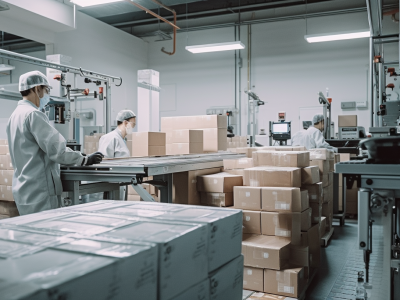
The versatility of sustainable packaging is its charm. With biodegradable materials and innovative designs that conserve resources, there’s a wealth of eco-friendly options waiting to be discovered. By choosing these alternatives, we not only lessen the load on landfills but also set the stage for a greener future where nature flourishes alongside human progress.

Despite its noble mission, sustainable packaging encounters challenges on its path to widespread adoption. Cost considerations often dissuade businesses from making the switch, prioritizing short-term savings over long-term benefits. Remember: Rome wasn’t built in a day! Through gradual changes and small steps, embracing sustainable practices can become second nature.

Imagine this: you order something online and find it wrapped in layers upon layers of plastic – sound familiar? Well, with sustainable packaging solutions gaining global traction, such wasteful extravagance might soon be obsolete! Every decision you make today shapes tomorrow’s world – so why not choose wisely?

Importance of Life Cycle Assessment (LCA) in Sustainable Packaging

Life cycle assessment (LCA) and life cycle inventory (LCI) are like detectives for sustainable packaging, diving deep into the environmental impacts of every material choice and design decision. Picture them as eco-sleuths uncovering clues from start to finish, making sure that our packaging choices have a positive impact on Mother Earth. By using LCA, we can look beyond just how a package is thrown away and think about its whole journey – from making it to getting it delivered – guiding us toward greener options.

Imagine your favorite snack wrapped in layers of bad-for-the-environment materials. Now picture those same treats snugly packaged in biodegradable or recyclable wrapping instead. The change isn’t just about looks; it means significantly cutting down pollution levels, energy use, and waste created throughout the product’s life. Thanks to LCA shining a light on these areas, businesses can make smart choices that help both the planet and their profits.

In a world where convenience often wins over thinking about sustainability, embracing LCA becomes vital for pushing us towards more thoughtful packaging practices. Think of it as having an eco-friendly compass steering brands toward creative solutions that lessen harm while improving efficiency at each stage of production and delivery. With LCA leading the way, we pave an easier road towards a future where choosing sustainable packaging isn’t just something you could do but something everyone does responsibly because better options are available!

The Pros & Cons of Eco-Friendly Packaging

Pros

  1. Reduces harm to the environment
  2. Backs up sustainable methods
  3. Can be easily recycled or broken down naturally
  4. Attracts environmentally aware customers
  5. Improves brand reputation
  6. Sparks creativity in packaging design

Cons

  1. Costs more at the beginning
  2. Not many eco-friendly materials available
  3. Might need special ways to throw it away
  4. Could mean less protection for your stuff
  5. Fewer choices in how you wrap things up
  6. It might take a lot of money to switch over

Criteria for Evaluating Sustainable Packaging

When you’re looking into sustainable packaging, it’s important to think about more than just being eco-friendly. You need to consider if the packaging does its job well for the products inside. Does it keep things safe and fresh? It’s all about finding a good balance between being green and getting the job done right for consumers while also not hurting the environment.

Another thing to think about is how much money you’ll spend on sustainable packaging. Sometimes, materials that are good for the planet can cost more at first. But in the long run, you might save money by making less waste or by building customer loyalty because of your ethical choices. Think big picture and look at all costs over time instead of just what you pay upfront.

It’s really important to make sure that sustainable packaging helps people and nature stay healthy in the long term too. The materials used shouldn’t let out any harmful stuff into our surroundings or put anyone at risk when they use them. By going for safe, biodegradable options that don’t have bad chemicals, we can help both people and our planet stay well.

Recycling is a key part of picking out sustainable packing solutions too. When materials can be recycled many times without losing quality, we cut down a lot on trash going into landfills. And using recycled content in our packages follows circular economy ideas which help us use resources better and create less waste overall.

Environmental Impacts of Packaging Materials

Packaging materials have a big impact on the environment. They affect things in many ways and are pretty complex. When we make packaging using traditional methods, it causes a lot of carbon emissions, water pollution, and deforestation from start to finish – when we get the raw materials all the way through making them into packages. These steps don’t just add to climate change; they also put stress on ecosystems and use up natural resources super fast.

But if we switch over to sustainable packaging options that focus on being biodegradable, recyclable, and coming from renewable sources instead, we can cut down a ton on how much harm these actions cause our planet.

Regular types of packaging create greenhouse gas emissions during their production process. And once people are done with them after only using them for a short bit of time, they often end up in landfills. This way of getting rid of them has long-term effects because plastics take hundreds upon hundreds of years to break down completely. Since non-biodegradable packages stick around for so long after disposal happens worldwide waste problems become worse while putting marine animals at risk due to microplastic contamination in oceans.

Using better alternatives like plant-based compostable plastics or reusable containers is promising since it helps stop this cycle where waste piles up quickly along with causing environmental damage caused by items meant for single-use purposes.

Another crucial thing is thinking about what happens when you no longer need your package – how it’s dealt with after you’re finished using it plays an essential role too. Following circular economy ideas such as recycling loops or setting up systems for organic matter-based packs like composting rather than following straight “take-make-dispose” paths helps lower how much trash gets made while saving useful resources effectively.

Making mindful choices as consumers backing eco-friendly brands dedicated to shrinking their environmental impact by creating smart designs and picking good materials means paving the path toward greener times ahead where every package not only holds stuff but tells tales about acting responsibly towards taking care of our planet’s health too!

Key Criteria for Sustainable Packaging Solutions

Criteria for Sustainable Packaging Description Example
Functional Product protection, safety, regulatory compliance, etc. Use of packaging materials that ensure the safety and integrity of the product inside
Cost Effective Ensuring that sustainable packaging solutions are economically viable and do not significantly increase production costs Implementing packaging designs that reduce material waste and streamline production processes
Support long-term health Designing packaging solutions that promote human and ecological health over time Using biodegradable materials that do not harm the environment and implementing eco-friendly practices throughout the supply chain
Minimal materials Reducing packaging layers, lower mass, lower volume, etc. Designing packaging with minimal material usage to decrease environmental impact and improve resource efficiency
Energy efficiency Utilizing renewable energy sources, reducing total energy usage, etc. Incorporating energy-efficient practices in packaging production and distribution to minimize carbon footprint and energy consumption
Recycled content Incorporating recycled materials into packaging where feasible and safe Using recycled plastics and paper in packaging materials to reduce waste and promote a circular economy
Recyclability Ensuring that packaging materials can be easily and frequently recycled Designing packaging that can be efficiently recycled to minimize waste generation and support recycling initiatives
Reusable packaging Developing packaging that can be reused multiple times or repurposed Designing durable and versatile packaging solutions that encourage reuse and reduce single-use plastic consumption
Renewable materials Using biodegradable and compostable materials when appropriate Adopting plant-based and renewable materials in packaging to reduce reliance on fossil fuels and promote sustainability

Benefits of Adopting Sustainable Packaging

Choosing sustainable packaging practices can bring numerous benefits to businesses. Not only does it help reduce the carbon footprint and environmental impact, but it also boosts brand reputation and attracts a growing segment of eco-conscious consumers. Companies can demonstrate their commitment to sustainability by opting for materials like biodegradable plastics or recycled paper, helping them stand out in a competitive market.

Apart from the positive environmental impacts, using eco-friendly packaging solutions can lead to increased sales for businesses. Research shows that customers are more likely to pick products with sustainable packaging over those without it. This shift towards greener choices mirrors changing consumer values and preferences, giving brands an opportunity to connect with these evolving expectations.

Moreover, transitioning to sustainable packaging options often results in long-term cost savings. While there may be initial investments needed for process changes or sourcing new materials, efficiency gains and reduced waste generation typically offset these expenses over time. Embracing sustainability not only benefits the planet but also offers economic advantages through streamlined operations and decreased resource usage.

By integrating sustainable packaging into supply chain management systems, businesses set themselves up for a more resilient and future-proof operational model. With increasing global awareness about climate change comes a rising demand for environmentally friendly practices across all industries – including packaging. Making this strategic transition not only portrays companies as responsible corporate citizens but also ensures they stay competitive in an ever-more conscious consumer landscape where green is undoubtedly becoming the new black.

Alternatives to Conventional Plastics in Sustainable Packaging

Imagine if plastics that break down naturally and are made from plant-based materials were the heroes of eco-friendly packaging, swooping in to rescue our environment from the harm caused by regular plastics. Picture them as warriors fighting against plastic pollution with their biodegradable capes fluttering in the wind. These green champions offer hope for a cleaner planet, where packaging doesn’t sit around in landfills or oceans for ages but instead gracefully returns to nature.

Innovations like packaging made from plant proteins and films derived from dairy may sound futuristic, but they’re real and shaking up sustainability efforts. Think of wrapping your sandwich not in cling film that lasts longer than you do, but in a wrap made from plants that peacefully goes back into the earth when thrown away. It’s like giving Mother Nature a high-five every time you pack your lunch! These alternatives represent more than just products; they embody an ethos valuing our planet’s health over convenience.

Switching to sustainable packaging isn’t about following trends or joining bandwagons; it’s about owning up to our impact on this fragile blue planet we call home. Imagine ensuring there are stunning beaches free of plastic debris washing ashore like unwelcome guests at a party when you choose biodegradable options over regular plastics – it’s making a statement for sustainability while rejecting further environmental pollution.

Sure, change can be intimidating initially – akin to trying kale chips after growing up on potato crisps – yet embracing these alternatives is discovering hidden treasures within eco-conscious choices. The adjustment period leads to feeling empowered knowing each decision towards sustainable living contributes positively toward preserving this incredible planet we inhabit.

So next time you pick up a package wrapped in bio-based materials or opt for compostable containers at your favorite deli, pat yourself on the back because we’re steering together towards greener pastures where future generations can thrive amidst flourishing ecosystems nurtured by thoughtful choices today

Eco Myths and Packaging Facts Unveiled

  1. ### Exposing Eco Myths and Unveiling Packaging Facts
  2. **Myth: Biodegradable packaging breaks down quickly in any environment.**
  3. – Truth: Biodegradable packaging needs specific conditions like high heat and moisture in industrial composting facilities to break down effectively. In regular landfills or the ocean, biodegradable packaging may not decompose as expected.
  4. **Myth: All plastics are harmful to the environment.**
  5. – Truth: Not all plastics harm the environment equally. Some plastics, such as PET and HDPE, are highly recyclable and have lower environmental impacts compared to single-use plastics like polystyrene. Selecting the right type of plastic and recycling it properly can lessen its negative effects on nature.
  6. **Myth: Sustainable packaging is always pricier than traditional packaging options**.
  7. – Truth: Though sustainable packaging may come with a slightly higher initial cost, they often lead to long-term savings by reducing material usage, energy consumption, and waste management expenses over time. Investing in sustainable packaging can also boost brand reputation and customer loyalty.
  8. 4 .**Myth: Compostable packaging easily degrades when composted at home in your backyard**.
  9. – Truth : While some compostable packages suit home composting setups, many types require commercial composting facilities for proper breakdowns.. Home-based decomposition might not reach the required high temperatures for full degradation of certain materials meant for compotstion,, resulting incomplete breaking down process..
  10. 5 .** Myth : Paper bags are always superior choices over plastic ones .
  11. -Truths ::The choice between paper or plastic bags depends on several factors including resource utilization during production processes , transportation emissions ,and disposal methods after use . Reusable bags made from eco-friendly substances like cotton or jute usually offer a more environmentally sound solution by curbing waste generation & carbon footprint growth..

Regulatory Standards and ISO Certifications for Sustainable Packaging

The International Organization for Standardization (ISO) is a key player in shaping sustainable packaging practices. They create clear guidelines and certifications to promote eco-friendly approaches. These standards guide companies towards packaging solutions that are kinder to the environment while also being efficient. By following ISO certifications, businesses show their dedication to sustainability and earn credibility with consumers who care about the environmental impact of products they buy.

Adopting regulatory standards and getting ISO certifications is like planting seeds for a greener future. It involves sparking change within industries by encouraging innovation in how we design packaging, produce goods, and manage waste. With these certifications, organizations can foster a sense of responsibility towards our planet – where every decision considers its long-term effects on nature. It’s not just about obeying rules; it’s an attitude that promotes both business success and protecting the environment.

Navigating through sustainable packaging regulations might seem daunting at first glance, but with ISO standards as guiding lights pointing the way forward, companies can confidently start this journey knowing they contribute to global conservation efforts sustainably aligned goals. These regulations offer a roadmap helping enterprises avoid problems like excessive waste or harmful materials use while leading them toward inventive solutions benefiting profits and planetary health.

In essence, embracing regulatory standards and securing ISO certifications isn’t only about fulfilling requirements – it’s about integrating sustainability into how we package goods today so future generations inherit a less burdened Earth due to our consumption choices. It’s an investment in tomorrow: one where responsible actions lead not only to business success but also help ecosystems worldwide flourish alongside human progress without suffering from its negative impacts.

Challenges and Criticisms in Achieving True Sustainability in Packaging

Efforts to make packaging more environmentally friendly are usually viewed as small steps rather than complete solutions for achieving true sustainability in the industry. Critics suggest moving towards an economy that uses less energy, has a smaller ecological impact, and produces goods closer to home with simpler packaging styles as key parts of a truly sustainable system.

One big challenge on the journey toward sustainable packaging is reducing our use of complicated materials that are hard to recycle. Lots of regular plastic packages end up in landfills or oceans because there aren’t enough places to recycle them or people don’t know how to do it.

A major issue faced by companies is balancing sustainability and cost-effectiveness. Often, eco-friendly options cost more due to limited availability or higher manufacturing expenses. This makes it tough for many industries to switch over fully to sustainable packaging practices.

Encouraging consumers to learn about making greener choices when they buy products can help overcome challenges related to eco-friendly packaging. When individuals choose items based on their environmental impact, this can create demand for manufacturers offering more sustainable choices.

While new technologies like compostable bioplastics show potential benefits, they also face hurdles such as scalability and efficiency compared with traditional plastics. Overcoming these obstacles will require teamwork from everyone involved in the supply chain so we can innovate and improve processes for creating genuinely sustainable packaging solutions together.

Lasting Impact of Eco Sustainable Living – Sustainable Packaging Initiatives

Sustainable packaging initiatives have a big impact on our world. When we use eco-friendly packaging, we help reduce waste and make a positive difference for the environment. Imagine if every product you bought came in packaging that could be recycled or would naturally break down – that’s the kind of change we can create by supporting sustainable practices now.

As we work towards a greener future, sustainable packaging plays an important role in encouraging people to make more conscious choices. When individuals and businesses choose sustainable options for their packaging, it sets off a chain reaction that goes beyond just reducing plastic waste. It inspires us all to think about how we consume goods and pushes companies to come up with even better eco-friendly solutions.

It’s amazing how something as simple as picking products with sustainable packaging can lead to significant global changes. The best part is that these small choices really do add up over time, making a huge impact on our planet and society as a whole. Let’s continue promoting sustainable packaging because each decision we make today helps pave the way towards a cleaner, healthier world for everyone to enjoy!

FAQ

1. Why is sustainable packaging important for the environment?

Using sustainable packaging is really important for the environment because it helps cut down on waste, saves resources, reduces pollution, and fights climate change by encouraging a circular economy and lowering the carbon footprint of products.

2. What are some common challenges in transitioning to eco-friendly packaging solutions?

Transitioning to eco-friendly packaging poses several challenges, such as facing higher upfront costs, dealing with a shortage of sustainable materials, and educating consumers while also changing their behavior.

3. How can individuals make a difference by choosing sustainable packaging options?

When you pick eco-friendly packaging, you can cut down on waste, decrease carbon emissions, and safeguard the environment for our kids and grandkids.

4. What are some innovative alternatives to traditional plastic packaging?

You can ditch the old plastic packaging for more creative options like compostable packaging made from plants, biodegradable packaging crafted from mushroom mycelium, and reusable choices such as stainless steel containers or beeswax wraps.

5. How do sustainable packaging choices impact businesses and their bottom line?

Choosing sustainable packaging can help businesses save money by using materials more efficiently, building a better brand image, and meeting the growing demand for eco-friendly products. This leads to higher profits and long-term success in the end.

6. What long-term benefits can we expect from widespread adoption of eco-friendly packaging practices?

If more companies start using eco-friendly packaging, we can create less waste, lower carbon emissions, and make the environment healthier for our kids and grandkids.

the future of sustainable packaging

The Future Of Sustainable Packaging | Trends And Emerging Technologies

December 7, 2023 by webmaster

The Current State of the Packaging Industry The current state of the packaging industry reflects a significant shift towards more sustainable and environmentally friendly practices. With a growing environmental consciousness globally, the demand for sustainable packaging is on the rise. The conversation surrounding sustainable packaging solutions has taken center stage in numerous sectors, with the …

Read moreThe Future Of Sustainable Packaging | Trends And Emerging Technologies
packaging free stores a zero waste shopping revolution

Packaging-Free Stores | A Zero-Waste Shopping Revolution

December 7, 2023 by webmaster

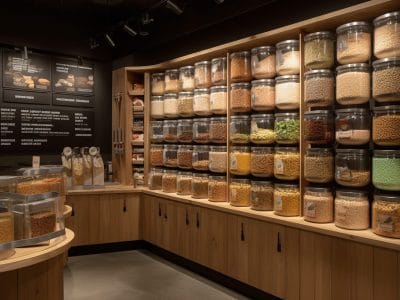
The Rise of the Zero-Waste Movement: Shifting Towards Conscious Consumerism The rise of the zero-waste movement reflects a pivotal shift towards conscious consumerism, representing not only a retail revolution but also a monumentous socio-environmental transformation. This zero-waste revolution has been marked by the proliferation of zero-waste stores, packaging-free supermarkets, and refill stations that allow consumers …

Read morePackaging-Free Stores | A Zero-Waste Shopping Revolution
sustainable packaging design

Sustainable Packaging Design | Balancing Aesthetics And Environmental Responsibility

December 7, 2023 by webmaster

Understanding the Importance of Sustainable Packaging Understanding the importance of sustainable packaging necessitates considering its wide-ranging impact on the environment, supply chain, and brand identity. Sustainable packaging solutions are not only effective in reducing waste but also play a pivotal role in bolstering an organization’s commitment to sustainability and environmental responsibility. The packaging industry is …

Read moreSustainable Packaging Design | Balancing Aesthetics And Environmental Responsibility

The Role of Sustainable Packaging in E-Commerce and Online Shopping

December 7, 2023 by webmaster

Understanding the Concept of Sustainable Packaging Packaging takes center stage in our day-to-day lives. Whether it’s the cereal box you open at breakfast, the parcel that arrives at your doorstep or the takeout box you receive from your favorite restaurant, none of these can exist without packaging. Now, let’s dive a bit deeper. Sustainable packaging …

Read moreThe Role of Sustainable Packaging in E-Commerce and Online Shopping

Sustainable Packaging in the Food Industry: Reducing Food Waste and Plastic Pollution

December 7, 2023 by webmaster

The Imperative of Eco-friendly Wrapping in the Culinary Sector Let’s talk about packaging, specifically in the food industry. Right now, the bulk of it is going straight to landfills, adding to what is already a gargantuan waste problem. It’s not just about the waste, though. The ingredients of these packages often contain harmful elements, leaching …

Read moreSustainable Packaging in the Food Industry: Reducing Food Waste and Plastic Pollution
recycling vs reusing strategies

Recycling vs. Reusing: Strategies for Closing the Loop on Packaging Materials

December 7, 2023 by webmaster

Understanding the Basics of Packaging Material Management When it comes to handling goods, the first thing that cracks into the stage of our minds is packaging. It’s a crucial part of any sales process because it not only protects the product during transit but also gives the first impression to the customers. That said, managing …

Read moreRecycling vs. Reusing: Strategies for Closing the Loop on Packaging Materials
eco labels and certifications

Eco-Labels and Certifications: How to Identify Truly Sustainable Packaging

December 7, 2023 by webmaster

Understanding the Basics of Sustainable Packaging So, what’s the deal with sustainable packaging? Essentially, it’s a practice that revolves around the eco-friendly idea of creating packaging materials. The materials used should ideally have minimal impact on energy consumption and the environment. Also, its disposal process shouldn’t contribute to the earth’s waste problem. The whole concept …

Read moreEco-Labels and Certifications: How to Identify Truly Sustainable Packaging
sustainable packaging materials

Understanding Sustainable Packaging Materials: From Glass to Bioplastics

December 7, 2023 by webmaster

Exploring the World of Eco-friendly Packaging In today’s world, the shift towards a more sustainable lifestyle is evident in every corner. One specifically notable area is packaging, where eco-friendliness is no longer a buzzword, but a necessary and conscious choice made by industries and consumers alike. The aims are simple; reduce waste, save resources, and …

Read moreUnderstanding Sustainable Packaging Materials: From Glass to Bioplastics
importance of sustainable packaging

The Importance Of Sustainable Packaging In A Green Economy

December 7, 2023 by webmaster

Reducing Environmental Impact and Carbon Footprint Reducing environmental impact and carbon footprint is increasingly becoming a central focus for businesses in various industries, particularly in the production and use of packaging. This phasing out of traditional packaging materials like plastic, which are harmful to the environment, and shifting towards sustainable packaging alternatives substantially minimizes the …

Read moreThe Importance Of Sustainable Packaging In A Green Economy

Embrace The Future NOW!

Where eco-sustainability is not just a concept, but a proactive commitment to a healthier planet for future generations.

Learn More
Eco Life Zone

Growing Greener, Living Cleaner: Your Journey to Sustainability.

555-864-2258

info@ecolife.zone

Sitemap
  • Home
  • Sitemap
  • About Us
  • Blog
  • Contact
Sustainable Life Insights

Dive into a our knowledge. Engaging and informative content on the dynamic world of sustainable and eco-friendly living.

Read More

Copyright © 2008 EcoLife.zone | All Rights Reserved.