• Skip to main content
  • Skip to header right navigation
  • Skip to after header navigation
  • Skip to site footer
eco life logo

Eco Life Zone

Green living for a sustainable eco based future

  • About
  • Sustainability
    • Eco-Friendly Homes
      • Energy Efficiency
      • Solar Power Systems
      • Water Conservation
      • Wind Turbines
    • Sustainable Transportation
      • Biking
      • Electric and Hybrid Cars
      • Public Transport
      • Walking and Pedestrian-Friendly Initiatives
    • Zero Waste Lifestyle
      • Composting
      • Recycling
      • Reducing Single-Use Plastics
      • Sustainable Packaging
  • Green Living
    • Natural Health
      • Ethical Fashion
      • Herbal Remedies
      • Holistic Wellness Practices
      • Nutrition and Whole Foods
    • Organic Gardening
      • Permaculture
      • Urban Gardening
  • Travel
    • Eco-Friendly Destinations
      • Eco-Lodges
      • National Parks and Reserves
    • Low Impact Travel
      • Carbon Offsetting
      • Packing Light
    • Responsible Travel
      • Ethical Animal Tourism
      • Voluntourism
  • Contact
  • Jobs
  • Learn More

Composting

Key Takeaways

  • Reduce waste going to landfills by composting, which helps lower greenhouse gas emissions.
  • Turn food scraps and yard waste into nutrient-rich soil for your garden, boosting plant growth and biodiversity.
  • When you embrace composting as a sustainable habit, you not only help the environment but also feel more connected to nature and responsible towards our planet.

Introduction: Understanding the Environmental Importance of Composting

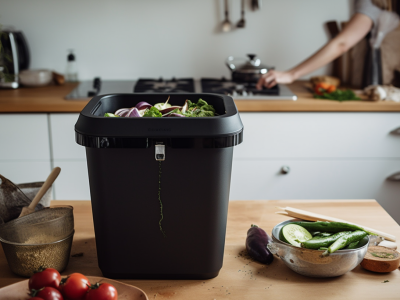
compostingComposting works like nature’s own recycling system, transforming organic waste into nutrient-rich soil that is incredibly valuable. The real magic of composting comes from its ability to redirect kitchen scraps and yard trimmings away from landfills. If these waste materials were left in landfills, they would produce harmful greenhouse gases as they break down without oxygen. By choosing to compost either at home or through community programs, we can make a significant impact by reducing methane emissions and lessening our contribution to climate change.

Not only does composting help fight against climate change by cutting down on greenhouse gas emissions, but it also enriches the soil with essential nutrients that are crucial for plant growth. When you use compost as a natural fertilizer for your garden or potted plants, you’re not just feeding your plants; you’re also nurturing the very earth beneath them. This process of returning organic matter back into the soil creates a sustainable loop that supports healthy ecosystems and biodiversity.

Aside from boosting soil health and promoting plant growth, compost serves as a natural shield against erosion by helping soils retain moisture and structure during heavy rains or dry periods. It plays an important role in water conservation by preventing runoff while enhancing absorption into the ground below. Picture each scoop of homemade compost acting as armor safeguarding your garden against environmental pressures while fostering life beneath the surface.

By incorporating composting into our daily routines, we become caretakers of our environment – taking small yet impactful steps toward sustainability. Through this simple act of turning food scraps into “black gold,” we play a positive role in minimizing waste sent to landfills while naturally revitalizing depleted soils.When we think about composting, it’s not solely about managing garbage; it’s about showing respect for Earth’s resources and actively participating in restoring balance within our surroundings – every bucketful counts towards making a difference!

Reducing Landfill Waste: Lowering Greenhouse Gas Emissions Through Composting

Composting works like magic in the world of waste management. When you turn your kitchen scraps and yard waste into nutrient-rich soil, you’re not only helping our environment but also reducing harmful greenhouse gas emissions. Instead of letting food scraps decompose in landfills and produce methane – a potent greenhouse gas – composting transforms them aerobically with the help of beneficial microorganisms.

Picture this: Your banana peels and coffee grounds turning into black gold for your garden beds or potted plants – that’s the beauty of composting! Not only does it enrich the soil with essential nutrients, but it also enhances soil structure, water retention, and overall plant health. By using compost in your garden, you can reduce the need for chemical fertilizers that harm helpful insects and pollute our waterways. It’s a win-win situation benefiting both your plants and our planet.

The impact on lowering greenhouse gas emissions through composting is significant. By diverting organic waste from landfills where methane production is high, you’re playing a direct role in combating climate change. Every bucket of food scraps diverted to a compost pile makes a difference by preventing harmful gases from entering the atmosphere – aiding in fighting global warming one peel at a time! So next time you toss those veggie cuttings or eggshells into your designated bin for composting – give yourself credit for being an eco-warrior!

In essence, embracing composting as part of daily life goes beyond managing waste; it’s about making an effortless positive environmental impact every day. Whether living in an apartment with limited space or having acres of land available, there are various methods suited to every lifestyle: from indoor vermicomposting to traditional backyard piles or community drop-off sites – no excuse exists not to jump on board the composting bandwagon! Let’s work together towards creating healthier soils, cleaner air, and ultimately building a more sustainable planet through this simple yet powerful practice.

Deciphering the Composting Conundrum: Pros & Cons

Pros

  1. Minimizes the amount of waste that goes to landfills
  2. Produces fertile soil for gardening
  3. Lowers greenhouse gas emissions
  4. Encourages eco-friendly living habits

Cons

  1. Maintaining it takes time and effort
  2. Improper management can draw pests
  3. Inadequate aeration might lead to unpleasant odors
  4. Not ideal for all living situations, like apartments

Nutrient-rich Soil Creation: Transforming Food Scraps and Yard Waste Into Plant Boosters

Composting works just like nature’s recycling program, giving your food scraps and yard waste a chance to shine once more. When organic matter breaks down into nutrient-rich soil, you’re not only cutting down on waste but also creating a superfood for plants. Imagine treating your garden or houseplants to a gourmet meal by fueling them with compost.

Did you realize that throwing away banana peels, coffee grounds, or fallen leaves means they end up in landfills? In those oxygen-free conditions, they decompose and release methane – a strong greenhouse gas. On the flip side, when you compost these materials aerobically, they break down differently and produce carbon dioxide instead which is much less harmful to our environment.

The beauty of composting lies in its simplicity; all it involves is layering browns (like dry leaves), greens (such as fruit peels), water, and air. With some patience and occasional mixing by turning the pile or bin – presto! You’ll have rich crumbly humus ready to naturally nourish your plants.

Imagine this: Your kitchen scraps transform from mere leftovers into part of an intricate ecosystem right in your own backyard. Worms happily wriggle through layers of decaying goodness while beneficial microorganisms work their magic on converting waste into black gold – nutrient-rich soil full of life essential for plant growth. Composting isn’t just about recycling; it’s about nurturing new life cycles within nature itself.

Connecting with Nature: Embracing Composting as a Sustainable Habit

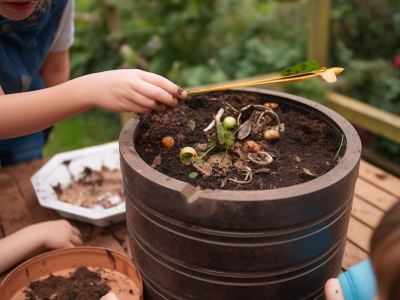
Composting works just like nature’s recycling program, giving food scraps and yard waste a chance to transform into something new. It’s not only about cutting down on waste; it’s also about forming a deeper connection with the earth. When you compost, you are actively taking part in the natural process of breaking down materials and creating fresh soil that has been occurring for generations. This forms a wonderful partnership between people and our environment, where we contribute back to the earth as much as we take from it. So why not grab your compost bin and dive into this sustainable dance with nature!

Compostable Materials: What to Include and Exclude

Compostable Material Include / Exclude Notes
Fruit and vegetable scraps Include Rich in nutrients
Coffee grounds and filters Include Adds nitrogen
Eggshells Include Provides calcium
Leaves and grass clippings Include Brown material for balance
Cardboard (shredded) Include Adds carbon
Meat and dairy products Exclude Attracts pests and slows decomposition
Plastic and synthetic materials Exclude Does not break down in compost
Diseased plants Exclude Pathogens may survive composting
Pet waste Exclude Can contain harmful bacteria

Conclusion: Cultivating a Greener Future Through Composting

Composting works just like nature’s recycling program, magically transforming food scraps and yard waste into nutrient-rich soil. It’s a simple yet impactful way to cut down on kitchen waste while enriching your garden at the same time. By composting, you’re redirecting organic materials away from landfills where they would otherwise release harmful greenhouse gases as they break down.

Picture this: every home composts their biodegradable waste. The environmental benefits would be enormous – fewer methane emissions from landfills, healthier soils for farming, and less reliance on chemical fertilizers that can harm our ecosystems.

Starting your composting journey might feel overwhelming initially, but fret not! With just a few basic tools like a bin or pile in your backyard, some brown (carbon-rich) and green (nitrogen-rich) materials to balance things out, and regular turning or aerating to provide oxygen to the microorganisms doing all the hard work – you’ll soon be well on your way to creating “black gold” for your plants!

It’s amazing how items like banana peels, coffee grounds, eggshells – once destined for the trash bin – can turn into dark crumbly humus full of life-giving nutrients through decomposition. Composting really highlights nature’s incredible ability to constantly renew itself if we give it room and time.

In summary: Getting involved in composting isn’t only about managing waste; it’s about joining a beautiful cycle of regeneration that reconnects us with the earth. So gather those veggie scraps now and start layering them with fallen leaves or grass clippings in your composter today – Mother Nature will definitely thank you tomorrow!

FAQ

1. How can composting help reduce food waste and its impact on the environment?

Composting reduces food waste by transforming organic materials into nutrient-rich soil. This process helps keep harmful greenhouse gases like methane out of landfills, which lessens the environmental impact.

2. What are the key benefits of using compost in gardening and landscaping?

When you add compost to your garden or yard, it boosts the soil’s nutrients, cuts down on using chemical fertilizers, helps the soil hold onto water better, fights off plant diseases, and encourages strong growth in plants.

3. Is it difficult to start composting at home, especially for beginners?

For those who have completed their sophomore year at age 19-20, starting home composting might seem challenging at first. However, with some guidance and determination, it can turn into a fulfilling and straightforward activity.

4. Can you compost all types of food scraps, or are there limitations?

You can compost most food scraps, but it’s wise to steer clear of meat, dairy, and oily foods. They might lure pests and hinder the composting process.

5. Are there any common misconceptions about composting that need to be debunked?

Many people mistakenly think that composting is difficult and stinky, but the truth is, when you have the right mix of materials and take care of it properly, composting can be simple and free from odors.

6. How does composting contribute to reducing greenhouse gas emissions?

Composting helps to lower greenhouse gas emissions by keeping organic waste out of landfills. When organic waste breaks down in landfills, it releases methane – a powerful greenhouse gas – into the air.

composting basics

Composting Myths and Misconceptions

December 6, 2023 by webmaster

Understanding Misunderstood Aspects of Composting In the present era, the practice of composting, though gaining in popularity, is oftentimes shrouded in misconceptions. The process is frequently regarded as overly complex, time-consuming, and even somewhat unhygienic. Yet these beliefs, so commonly held, are starkly contrasted by the true simplicity and efficiency of composting. It is a …

Read moreComposting Myths and Misconceptions

The Science Of Composting | Understanding The Microorganisms

December 6, 2023 by webmaster

Introduction to the Science of Composting Composting is an integrated branch of environmental science that focuses on the decomposition of organic or biodegradable waste by a diverse range of microorganisms. This natural process facilitates the breakdown of organic matter such as food waste and yard waste, fostering the recycling of vital nutrients. The science of …

Read moreThe Science Of Composting | Understanding The Microorganisms
composting outhouse

Composting Toilets | Sustainable Waste Management Solutions

December 6, 2023 by webmaster

Introduction to Composting Toilets as Sustainable Waste Management Solutions Introducing composting toilets, an innovative answer to sustainable waste management solutions with great potential in transforming our perception of sanitation. Unlike traditional toilets that rely heavily on water for flushing and transporting human waste to a sewage treatment system, composting toilets, as the name implies, adopt …

Read moreComposting Toilets | Sustainable Waste Management Solutions

Composting and Food Waste Reduction in Restaurants

December 6, 2023 by webmaster

Understanding the Importance of Waste Management in the Food Industry The management and minimization of waste is an issue of critical importance within the food industry. The sector is one of the largest contributors to waste generation globally. The waste products from food establishments such as restaurants, canteens, and fast food outlets range from raw …

Read moreComposting and Food Waste Reduction in Restaurants
composting troubleshooting

Composting Troubleshooting | Common Issues And Solutions

December 6, 2023 by webmaster

Introduction to Composting Troubles Composting, nicely summed up as nature’s way of recycling, can appear daunting at first with challenges that emerge when attempting to create a viable compost pile or compost bin. From an uninitiated gardener’s perspective, composting might seem like an endeavor demanding specific knowledge and tedious intervention. However, understanding the composting process, …

Read moreComposting Troubleshooting | Common Issues And Solutions
bokashi composting setup

Indoor Composting Solutions For Small Spaces

December 6, 2023 by webmaster

Introduction to Indoor Composting Solutions for Small Spaces Introduction to indoor composting is vital, particularly among individuals living in small apartments or tiny homes with limited outdoor space. By necessity, indoor composting solutions are designed to be compact and odor-free, while remaining efficient in converting organic waste into usable compost. Utilizing methods such as vermicomposting, …

Read moreIndoor Composting Solutions For Small Spaces

Composting Methods | Vermicomposting And Bokashi Composting

December 6, 2023 by webmaster

Introduction to Composting Methods An enlightening journey into composting methods unveils a variety of unique strategies for recycling organic matter and food waste. There’s a wondrous harmony between nature’s inherent intricacies and our human endeavors in this arena, with two processes that especially stand out: worm composting, also known as vermicomposting, and the Bokashi method. …

Read moreComposting Methods | Vermicomposting And Bokashi Composting

From Kitchen To Garden | How To Start Composting At Home

December 6, 2023 by webmaster

Introduction to Home Composting: Turning Kitchen Scraps and Yard Waste into Garden Gold Step into the world of home composting: a simple, effective way to turn your kitchen scraps and yard waste into a rich, nutrient-dense addition to your garden. Often referred to as “Garden Gold,” composting emulates nature’s decomposition process and provides an excellent …

Read moreFrom Kitchen To Garden | How To Start Composting At Home
composting

Composting 101 | A Beginner’s Guide To Eco-Friendly Recycling

December 6, 2023 by webmaster

Introduction to Composting: Basics of Composting Composting 101 may seem like a daunting task for beginners, but in reality, it is just nature’s way of recycling. It is the process by which organic matter, including kitchen scraps, yard waste, and coffee grounds, is decomposed by microorganisms. This decomposition generates a nutrient-rich, organic material commonly referred …

Read moreComposting 101 | A Beginner’s Guide To Eco-Friendly Recycling

Embrace The Future NOW!

Where eco-sustainability is not just a concept, but a proactive commitment to a healthier planet for future generations.

Learn More
Eco Life Zone

Growing Greener, Living Cleaner: Your Journey to Sustainability.

555-864-2258

info@ecolife.zone

Sitemap
  • Home
  • Sitemap
  • About Us
  • Blog
  • Contact
Sustainable Life Insights

Dive into a our knowledge. Engaging and informative content on the dynamic world of sustainable and eco-friendly living.

Read More

Copyright © 2008 EcoLife.zone | All Rights Reserved.