• Skip to main content
  • Skip to header right navigation
  • Skip to after header navigation
  • Skip to site footer
eco life logo

Eco Life Zone

Green living for a sustainable eco based future

  • About
  • Sustainability
    • Eco-Friendly Homes
      • Energy Efficiency
      • Solar Power Systems
      • Water Conservation
      • Wind Turbines
    • Sustainable Transportation
      • Biking
      • Electric and Hybrid Cars
      • Public Transport
      • Walking and Pedestrian-Friendly Initiatives
    • Zero Waste Lifestyle
      • Composting
      • Recycling
      • Reducing Single-Use Plastics
      • Sustainable Packaging
  • Green Living
    • Natural Health
      • Ethical Fashion
      • Herbal Remedies
      • Holistic Wellness Practices
      • Nutrition and Whole Foods
    • Organic Gardening
      • Permaculture
      • Urban Gardening
  • Travel
    • Eco-Friendly Destinations
      • Eco-Lodges
      • National Parks and Reserves
    • Low Impact Travel
      • Carbon Offsetting
      • Packing Light
    • Responsible Travel
      • Ethical Animal Tourism
      • Voluntourism
  • Contact
  • Jobs
  • Learn More

Water Conservation

To save water, start by fixing leaks right away and using low-flow fixtures. You can also collect rainwater for your garden and be mindful of how much water you use when showering or washing dishes. Planting drought-resistant plants in your yard and sweeping instead of hosing down outdoor areas will help even more. These small changes make a big difference in conserving water and creating a greener future that we all want to see!

Introduction: Why Sustainable Water Conservation Matters

water conservationWater, the source of life, is a precious resource that we often overlook. In our busy lives where convenience is key, it’s easy to forget the importance of sustainable water conservation practices. But by adopting eco-friendly habits and making mindful choices every day, we can have a big impact on preserving this vital resource for future generations.
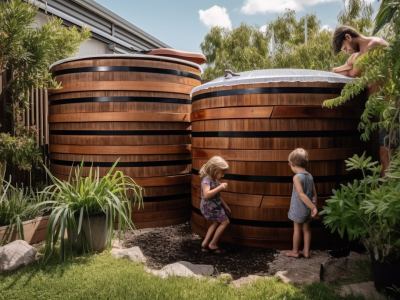
Just imagine: every drop wasted from a leaky faucet or left running while brushing your teeth is like throwing away money. Small actions may not seem important alone but when combined they lead to significant water savings over time.

By fixing leaks promptly and being aware of how much water we use, we not only decrease waste but also lower utility bills—a win-win for both us and the environment.

When you consider it, Earth is mostly covered in oceans yet less than 1% of all that water is freshwater available for human use. This fact emphasizes why it’s essential to practice sustainability by collecting rainwater for plants or using greywater from showers and sinks to flush toilets—easy ways to lessen pressure on freshwater sources.

Imagine if everyone made small adjustments in their daily routines such as taking quicker showers or watering plants in cooler parts of the day; these simple changes could lead to substantial reductions in overall water usage altogether. It’s about shifting our mindset towards valuing each drop and understanding that even minor tweaks can make a difference when embraced by many working towards one goal.

As caretakers of this planet, each one of us plays a part in protecting its resources for current and future generations alike. Sustainable living isn’t just some trendy term—it stems from respecting nature and knowing that what we do today shapes tomorrow’s reality. So let’s explore practical tips together and start on this journey toward greater sustainability through responsible water conservation methods!

Fix Leaks and Upgrade to Low-flow Fixtures

Dripping faucets might not seem like a big deal, but did you know that just one drop per second can waste more than 3,000 gallons of water in a year? That’s equivalent to throwing away loads of cash! Fixing leaks saves water and keeps your water bills from skyrocketing. It’s a win-win for both your wallet and the environment.

Switching to low-flow fixtures is another excellent way to reduce water usage without sacrificing performance. These modern marvels are designed to keep strong water pressure while using much less water compared to traditional fixtures. You’ll be surprised at how much money and H2O you can conserve by making this simple switch. And with trendy options available, you can give your bathroom or kitchen an eco-chic upgrade!

Picture yourself showering under a gentle waterfall instead of getting blasted by high-pressure jets – that’s what luxury low-flow showerheads provide! By cutting flow rates without compromising comfort, these fixtures offer relaxation while encouraging conservation. Also, don’t overlook adding aerators on sink faucets; they blend air with water to maintain pressure while using less volume – similar to mixing fizz into drinks without extra soda – refreshing and efficient!

When it comes to toilets, old models tend to use excessive amounts of water. Upgrading to low-flow toilets decreases flush volumes and helps prevent unnecessary wastage every time you flush the handle. With dual-flush options allowing custom flushing power based on needs, it’s akin having different gears in your car for various speeds – smart and adaptable! So bid farewell outdated porcelain beasts and greet sleek commodes that are efficient too.

Making small adjustments such as fixing leaks and upgrading fixtures may appear insignificant individually but collectively have a significant impact on our planet’s valuable freshwater resources.

The Pros & Cons of Rainwater Harvesting

Pros

  1. Saves you money on water bills
  2. Lessens strain on groundwater sources
  3. Ideal for watering plants and other non-drinking needs
  4. Encourages independence in providing your own water
  5. Decreases runoff and erosion during storms
  6. Aids in stopping nearby flooding

Cons

  1. Setting up the system can be expensive at first
  2. You need to maintain it regularly for optimal performance
  3. The storage space might not be enough for all your water needs
  4. The rainwater quality may require treatment before drinking
  5. Roof materials or debris could contaminate the water
  6. How much rainwater you get depends on the climate

Harvest Rainwater for Garden Irrigation

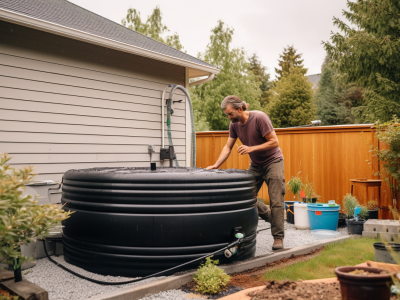
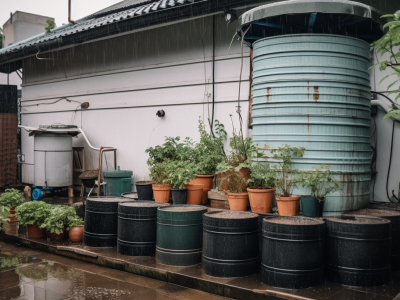
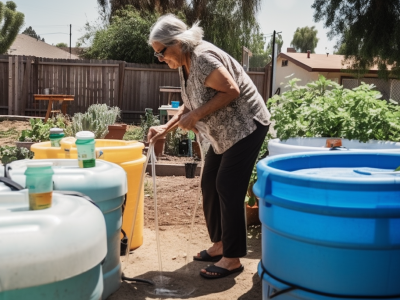
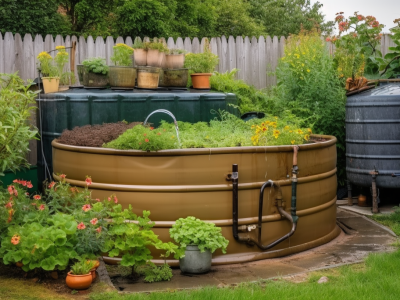
Using rainwater to water your garden is a win-win situation – you’re helping the environment by saving water and giving your plants the nutrients they need. By collecting rainwater in barrels or tanks, you can rely less on treated water sources and save money on utility bills. Rainwater is naturally gentle and doesn’t have chlorine or other chemicals like tap water does, which makes it better for your garden’s health. And using rainwater can also prevent soil erosion and pollution from runoff because it doesn’t have harmful contaminants that are often found in urban stormwater.

Let nature help you out with a sustainable way to keep your garden thriving!

Mindful Water Usage: Showers and Dishwashing

When it comes to conserving water in your daily routine, try cutting down on shower time or switching to a water-efficient showerhead. You can also sing just one verse of your favorite song instead of belting out the whole thing while you’re under the water! For washing dishes, only hand wash when necessary and fill up the sink rather than letting the water run constantly. Every drop counts when it comes to preserving our valuable resources!

So next time you’re doing those dishes, think about how efficiently and purposefully grandma used to clean them.

Water-Saving Tips for Eco-Friendly Homes

Tip Number Water-Saving Tip Description Recommended Frequency Estimated Savings (gallons)
1 Fix Leaks Repair leaks promptly to prevent water waste Once a month Up to 200 gallons
2 Install Low-Flow Showerheads Reduce water usage during showers Daily Up to 2,700 gallons
3 Use a Rain Barrel Collect rainwater for outdoor use As needed Up to 1,300 gallons
4 Opt for Drip Irrigation Efficiently water plants at the root level Weekly Up to 1,000 gallons
5 Turn Off Faucets When Not in Use Avoid unnecessary water wastage Throughout the day Up to 300 gallons
6 Water Plants Early in the Morning or Late Evening Minimize evaporation and maximize absorption As needed Up to 500 gallons

Embrace Drought-resistant Plants for Water-wise Landscaping

Drought-resistant plants are like the superheroes of landscaping when it comes to saving water. They need very little watering but still bring a lot of beauty and life to your outdoor area. When you plant succulents, such as colorful cacti or agave varieties, you’re not just cutting back on water use – you’re also creating a cool desert-like retreat right in your own backyard. These tough plants have evolved to do well in dry conditions, so they’re great for areas where there’s not much water or strict rules about watering. So why not give these strong plant buddies a try? They’ll help you save time and money on taking care of them while also making our world more eco-friendly!

Sweep Instead of Hosing for Outdoor Water Conservation

Opting for a broom over a hose to clean your outdoor spaces isn’t just simple, it’s super effective in saving water. Consider this: when you use the hose, water can easily be wasted as it flows freely. On the flip side, sweeping not only conserves water but also gives you a good workout! It’s like killing two birds with one stone – well, figuratively speaking; we care about our feathered friends too.

Moreover, by choosing to sweep instead of wasting excessive amounts of water through hosing down your space, you’re actively reducing your ecological footprint. Every drop matters! And there’s something oddly satisfying about seeing those piles of debris neatly gathered up after a solid sweep – it’s like tidying up while being eco-friendly at the same time. So grab that broom and start sweeping; Mother Earth will appreciate your efforts!

Nature’s Wisdom: Water Conservation Myths and Truths

  1. Unraveling Water Conservation: Debunking Myths and Revealing Truths
  2. Myth: Dishwashers guzzle more water than hand washing.
  3. Truth: Contrary to popular belief, dishwashers are the better choice for saving water, using only about 6 gallons per cycle compared to a whopping 27 gallons used when hand washing dishes.
  4. Myth: A dripping faucet is no big deal in terms of wasting water.
  5. Truth: Believe it or not, just one drip every second can waste over 3,000 gallons of precious water in a year! This emphasizes the critical need for promptly fixing any leaks around your home.
  6. Myth: Cutting shower time short always equals saving water.
  7. Truth: While taking shorter showers does help conserve this essential resource, installing a low-flow showerhead can further slash your water usage by up to 40%.
  8. Myth: Running a half-loaded dishwasher is nothing but wasteful.
  9. Truth: Interestingly enough, dishwashers use the same amount of water whether they’re full or half-full. So next time you run it, make sure it’s fully loaded to get the most out of its efficiency.
  10. Myth: Water-saving toilets sacrifice effectiveness for conservation efforts.
  11. Truth: Thankfully, modern-day water-saving toilets boast innovative designs that maintain flushing power while significantly reducing overall consumption – benefitting both our environment and your wallet alike!

Monitor Water Consumption and Optimize Usage

Water is a valuable resource that we often overlook. By keeping track of how much water we use, we can learn important things about our habits and find ways to adjust them for the better. Simple actions like repairing leaky faucets, cutting down on shower time, and using dishwashers and laundry machines only when they’re full can make a big difference in saving water. Being aware of our water usage not only benefits the environment but also cuts down on utility costs.

Besides daily routines, installing efficient fixtures such as low-flow showers and toilets can help save water without sacrificing functionality. Another great way to improve our water use is by collecting rainwater for outdoor watering or household tasks whenever possible. This not only reduces dependence on treated tap water but also supplies plants with natural nutrients found in rainwater, promoting healthier growth while being eco-friendly. Keeping an eye on how we use water might take some effort initially, but the long-term advantages for both nature and your budget definitely make it worthwhile!

Community Engagement: Promoting Water Conservation Practices

Water conservation isn’t just about what each of us can do individually; it’s also vital to involve the whole community. By hosting workshops, seminars, and outreach programs, we can raise awareness about the importance of saving water. Encouraging local businesses to adopt eco-friendly practices like fixing leaks promptly or installing water-saving devices in their buildings can make a significant impact on reducing overall water consumption.

Forming partnerships with schools and colleges is another effective way to promote water conservation practices within our community. Educating students from a young age instills a sense of responsibility for the environment in them. Initiatives such as setting up rainwater harvesting systems at school premises or organizing interactive sessions on water-saving methods can help create a sustainable mindset among future generations.

Engaging through social media platforms and online campaigns plays a crucial role in reaching a wider audience and mobilizing collective action for conserving water. Sharing informative posts, challenges, and success stories related to sustainable living can motivate individuals to adopt mindful habits in their daily routines. Leveraging digital tools effectively allows us to connect with people from various backgrounds and locations, amplifying our message for greater impact.

Arranging community clean-up events around nearby lakes, rivers, or beaches not only helps preserve these natural resources but also raises awareness about how pollution impacts water quality. By actively joining such initiatives, residents witness firsthand the consequences of irresponsible waste disposal practices. This hands-on approach fosters a deeper appreciation for clean sources of water while encouraging everyone to take steps towards safeguarding them for upcoming generations.

Holding neighborhood competitions focused on innovative ways to save water sparks friendly rivalries while promoting sustainable behaviors within communities – whether challenging households to reduce monthly usage by implementing simple strategies like shorter showers or collecting rainwater for gardening purposes – making conservation enjoyable creates enduring impressions that lead to long-term positive changes across neighborhoods.

Implement Water-saving Technologies in Homes

Saving water at home is essential for protecting our environment and living sustainably. One way to do this is by using modern technologies that help us reduce water waste without sacrificing comfort. For example, installing showerheads and faucets that use less water can make a big difference in how much we consume while still allowing us to enjoy our showers and wash up easily.

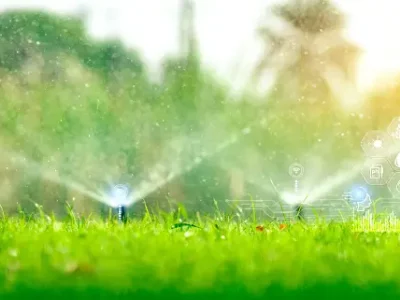
Another great idea is to switch to dual-flush toilets, which give us the option of using less water for liquid waste and more for solid waste. By making this simple change, we can save gallons of water every day! We can also be smart about watering our gardens or lawns by investing in irrigation systems that adjust based on weather conditions. This helps prevent overwatering and ensures plants get just the right amount of hydration they need to grow healthy.

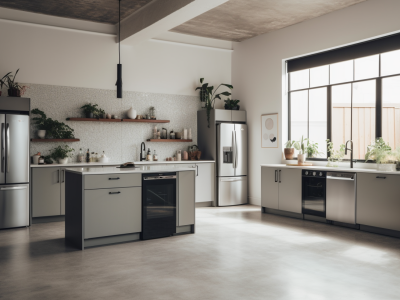
And let’s not forget about greywater recycling systems! These cool setups allow us to reuse wastewater from sinks, showers, and laundry for things like watering plants or flushing toilets. Instead of letting perfectly good water go down the drain unused, we can put it back into action – saving money on bills while helping conserve resources!

By embracing these innovative solutions at home, we’re not only doing our part for the planet but also showing how easy it is to make positive changes in our daily lives. Let’s all work together towards a greener future!

Conclusion: Creating a Sustainable Future Through Water Conservation

Water conservation isn’t just a choice; it’s a responsibility we all share. By adopting simple yet effective practices in our daily lives, we can pave the way for a sustainable future where water resources are preserved for generations to come.

Every drop of water matters when it comes to conserving this vital resource. From fixing leaky faucets and using low-flow fixtures to capturing rainwater for gardening, there are numerous ways we can reduce our water usage without sacrificing convenience or comfort.

Imagine if each household made a conscious effort to conserve water – the collective impact would be huge. Small changes like taking shorter showers, running full loads of laundry and dishes, and watering plants during cooler parts of the day can lead to significant water savings over time.

Let’s commit today to being stewards of this precious resource. Together, through mindful consumption habits and innovative solutions, we have the power to create a more sustainable future where clean water flows freely for all living beings on this planet.

FAQ

1. How can I reduce water waste in my daily routine?

Cut down on water waste in your daily habits by repairing leaks promptly, opting for shorter showers, and running the dishwasher only when it’s completely loaded.

2. What are some easy ways to harvest rainwater at home?

An effortless method to collect rainwater at home is by setting up a rain barrel to gather water from the downspouts on your roof.

3. Are there any eco-friendly alternatives to traditional lawn watering?

You can try eco-friendly options instead of traditional lawn watering, like using rain barrels to collect rainwater for irrigation, planting drought-resistant grass and plants, and setting up a drip irrigation system to reduce water waste.

4. How can I check for and fix leaks to save water?

Keep an eye out for leaks by regularly checking your water meter for any sudden changes and inspecting faucets, toilets, and pipes for signs of dripping or pooling water.

5. What are the benefits of installing low-flow fixtures in my home?

By adding low-flow fixtures in your home, you can cut down on water usage, save money on bills, and preserve this important resource for the next generations.

6. Can you provide tips for creating a water-efficient garden or landscape?

To make your garden or yard more water-efficient, think about xeriscaping with plants that can handle drought, putting down mulch to keep the soil moist, setting up a rain barrel for watering, and planting together flowers and shrubs that need the same amount of water.

rainwater collection system

Water Conservation and Home Value

December 6, 2023 by webmaster

Understanding the Importance of Efficient Water Usage Water plays an essential role in our day-to-day activities, from morning to night; yet, surprisingly, many individuals and households overlook its value. As a limited resource, water’s inefficient usage isn’t only about costly bills; it also challenges the sustainability of our planet’s ecosystem. The World Health Organization (WHO) …
Read moreWater Conservation and Home Value
green roof

The Role of Green Roofs in Water Management

December 6, 2023 by webmaster

The Role of Green Roofs in Water Management Understanding Green Roofs and Their Significance A green roof, also known as a living roof, embodies a totally new concept in roofing for many in the western world. It is essentially a roof that is partially or completely covered with vegetation. The vegetated layer is grown over …

Read moreThe Role of Green Roofs in Water Management
water footprints

Understanding Water Footprints: Tracking and Reducing Household Water Use

December 6, 2023 by webmaster

The Importance of Monitoring Domestic Water Consumption In an era where water scarcity has become a pressing issue worldwide, understanding and monitoring domestic water consumption has gained significant importance. Precise and frequent monitoring allows households to identify any wasteful practices, irregularities, or leakages that lead to unnecessary water expenditure. Regular tracking can play a pivotal …

Read moreUnderstanding Water Footprints: Tracking and Reducing Household Water Use
water efficient appliances

Water-Efficient Appliances: Choosing the Best for Your Home

December 6, 2023 by webmaster

Understanding the Importance of Efficiency in Home Appliances Efficiency in home appliances not only brings significant savings in energy costs but also contributes substantially to the protection of the environment. Appliances which have great energy efficiency tend to consume less electricity, reducing the demand for fossil fuel-powered electricity generation. Hence, the usage of energy-efficient appliances …

Read moreWater-Efficient Appliances: Choosing the Best for Your Home

Smart Irrigation Systems: Efficiently Watering Your Garden

December 6, 2023 by webmaster

Understanding the Concept of Intelligent Watering Techniques The essence of Intelligent Watering Techniques lies in the approach that goes beyond the simplistic practice of arbitrary water distribution. It’s about understanding and reacting to the intricacies of an ecosystem’s needs, reliant heavily on technology and scientific research. These techniques aim to optimize water usage, ensuring that …

Read moreSmart Irrigation Systems: Efficiently Watering Your Garden

Greywater Recycling | Reusing Water From Sinks And Showers

December 6, 2023 by webmaster

Introduction to Greywater Recycling Greywater recycling is an innovative approach to sustainable water management that promotes the reuse of developmentally-used water. Greywater, which refers to gently used water from showers, bathroom sinks, washing machines, and kitchen sinks, is repurposed instead of being discarded as wastewater. Recycling greywater presents numerous benefits, especially around water conservation and …

Read moreGreywater Recycling | Reusing Water From Sinks And Showers
install a household water collection system

Rainwater Harvesting Systems for Home Use

December 6, 2023 by webmaster

Understanding the Basics of Domestic Water Collection Water collection at home is a sustainable process that allows individuals to capture, store, and utilize rainwater for multiple purposes. It is an age-old practice that has gained significant attention in recent years due to increased environmental concerns and the benefits it provides in terms of cost savings. …

Read moreRainwater Harvesting Systems for Home Use
utilizing rainwater collection and use

Water-Wise Living: Tips for Eco-Friendly Homeowners

December 6, 2023 by webmaster

Understanding the Importance of Water Conservation Water, despite covering 71% of the Earth’s surface, is not an infinite resource. Specifically, the freshwater we use in our homes, in agriculture, and in industries constitutes only a minute fraction of all the water available on our planet. It is estimated that only around 0.3% of Earth’s total …

Read moreWater-Wise Living: Tips for Eco-Friendly Homeowners
water conservation

Saving Every Drop: A Comprehensive Guide to Water Conservation

December 6, 2023 by webmaster

Understanding the Importance of Preserving Water Resources Water is an invaluable commodity that is interlinked with every aspect of our lives. It is essential for survival, sustenance, and the smooth functioning of society. From household chores and personal hygiene to industrial processing and farming, the role of water is all-pervasive. However, with the rapid growth …

Read moreSaving Every Drop: A Comprehensive Guide to Water Conservation

Embrace The Future NOW!

Where eco-sustainability is not just a concept, but a proactive commitment to a healthier planet for future generations.

Learn More
Eco Life Zone

Growing Greener, Living Cleaner: Your Journey to Sustainability.

555-864-2258

info@ecolife.zone

Sitemap
  • Home
  • Sitemap
  • About Us
  • Blog
  • Contact
Sustainable Life Insights

Dive into a our knowledge. Engaging and informative content on the dynamic world of sustainable and eco-friendly living.

Read More

Copyright © 2008 EcoLife.zone | All Rights Reserved.