• Skip to main content
  • Skip to header right navigation
  • Skip to after header navigation
  • Skip to site footer
eco life logo

Eco Life Zone

Green living for a sustainable eco based future

  • About
  • Sustainability
    • Eco-Friendly Homes
      • Energy Efficiency
      • Solar Power Systems
      • Water Conservation
      • Wind Turbines
    • Sustainable Transportation
      • Biking
      • Electric and Hybrid Cars
      • Public Transport
      • Walking and Pedestrian-Friendly Initiatives
    • Zero Waste Lifestyle
      • Composting
      • Recycling
      • Reducing Single-Use Plastics
      • Sustainable Packaging
  • Green Living
    • Natural Health
      • Ethical Fashion
      • Herbal Remedies
      • Holistic Wellness Practices
      • Nutrition and Whole Foods
    • Organic Gardening
      • Permaculture
      • Urban Gardening
  • Travel
    • Eco-Friendly Destinations
      • Eco-Lodges
      • National Parks and Reserves
    • Low Impact Travel
      • Carbon Offsetting
      • Packing Light
    • Responsible Travel
      • Ethical Animal Tourism
      • Voluntourism
  • Contact
  • Jobs
  • Learn More

Walking and Pedestrian-Friendly Initiatives

Key Takeaways

  • Learn about the many advantages of walkable and pedestrian-friendly projects for both individuals and communities, such as improved health, reduced carbon emissions, and thriving local economies.
  • Discover modern urban planning techniques that focus on pedestrians, like building safe and convenient walking routes, improving public transportation choices, and encouraging mixed-use developments.
  • Find out how you can support sustainable living by backing pedestrian-centered design, interacting with local government leaders, and actively opting to walk or bike whenever you can.

Introduction: Embracing Eco-friendly Urban Design for Walkable Communities

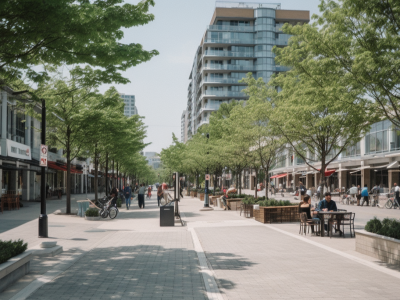
walking and pedestrian friendly initiativesImagine a world where the streets pulse with the sound of footsteps and friendly conversations, inviting you to explore every corner. Think about communities that are built for people, not just cars – with green spaces calling out to you, sidewalks winding through, and local shops buzzing with activity.

Embracing eco-friendly city planning isn’t just about reducing our carbon footprint; it’s about creating lively neighborhoods that prioritize pedestrians over traffic congestion. By supporting walkable cities, we can lead the way towards a more sustainable future—one step at a time.

The Many Advantages of Walkable and Pedestrian-friendly Projects

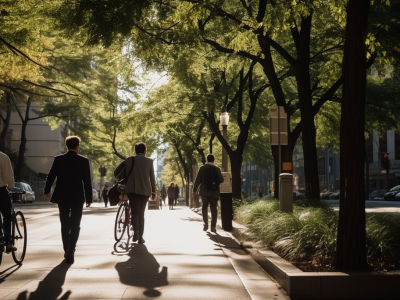
Imagine strolling down a street lined with trees, feeling the warm sun on your face, and stopping to chat with neighbors. That’s the appeal of walkable neighborhoods. They not only encourage physical activity and reduce car emissions but also help build a strong sense of community. Picture walking to your favorite café or local market instead of driving – it’s not just about getting somewhere; it’s about enjoying the journey.

Making neighborhoods more pedestrian-friendly isn’t just beneficial for our health and environment – it’s great for local businesses too! When people can easily walk around shopping areas or cultural districts, they are more likely to visit unique bookstores or trendy shops. This increased foot traffic leads to higher sales for small businesses and creates lively economic centers within cities. It’s like giving these stores an extra burst of energy!

Moreover, investing in walkable infrastructure improves safety as well. By prioritizing pedestrians through measures such as wider sidewalks, crosswalks, and enhanced lighting, communities become safer places for everyone. Whether you’re out walking your dog at night or letting your kids ride their bikes during the day without concern — creating pedestrian-friendly environments means peace of mind is easily attainable.

The Pros & Cons of Green Infrastructure Integration

Pros

  1. Improves how we manage stormwater
  2. Enhances the quality of our air
  3. Boosts property values
  4. Creates homes for wildlife
  5. Lowers the urban heat island effect
  6. Helps communities thrive and prosper

Cons

  1. Costs a lot at the beginning
  2. Needs consistent upkeep
  3. Infrastructure planning might need adjustments
  4. Could cause disruptions during implementation
  5. Not much space available in city areas
  6. Effectiveness can differ based on location

Modern Urban Planning Techniques for Pedestrian-centric Design

Imagine a lively cityscape where people walk freely along the streets, without the noise of cars or pollution in the air. A design focused on pedestrians isn’t just a fancy idea – it’s a path to healthier communities and more sustainable urban living. By planning cities with wide sidewalks, green areas, bike lanes, and safe crossings, we can make our cities welcoming for both walkers and cyclists.

Picture yourself walking down a street lined with trees and cafes that spill out onto the sidewalk, inviting you to stop for a relaxed coffee break. Spaces designed for pedestrians create opportunities for socializing and building connections within our communities which are often lost in car-dominated areas. When people feel secure walking around their neighborhoods, they’re more likely to support local businesses, interact with neighbors, and appreciate life’s simple pleasures.

Innovative methods like traffic calming measures (such as speed bumps or roundabouts) not only enhance pedestrian safety but also help reduce traffic congestion overall. Creating mixed-use developments that blend residential spaces seamlessly with commercial areas encourages us to walk or cycle instead of driving long distances for daily tasks. This interconnectedness fosters belongingness while reducing dependence on cars as our main mode of transportation.

Let’s not overlook integrating public transportation! Designing pedestrian-friendly cities goes hand in hand with efficient public transit systems. Picture stepping off a bus or train right into an active pedestrian plaza filled with shops, art displays, and outdoor seating – this is the kind of seamless connection modern urban planning strives towards achieving. Embracing these progressive strategies isn’t just about creating attractive pathways; it’s about transforming our communities into inclusive places where everyone can thrive while being mindful of our planet Earth.

Supporting Sustainable Living Through Pedestrian-centered Design

Walking down a busy street, filled with lively shops and welcoming faces, feels like creating a vibrant painting of community bonds. When cities make walking a priority in their design, they not only encourage physical health but also foster social connections and reduce carbon footprints.

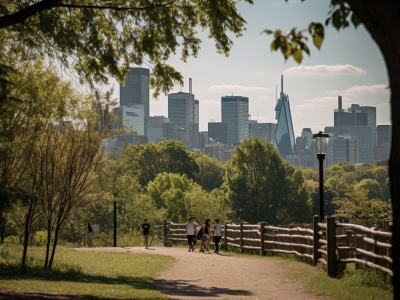
In the heart of city life, there is potential for sustainable change by making neighborhoods walkable. Imagine strolling along streets lined with trees and bike lanes winding through green areas – this isn’t just a dream; it can be achieved with thoughtful planning and dedication to building environments that promote walking instead of driving.

Designing spaces with pedestrians in mind benefits not only individuals looking for greener ways of living but also strengthens entire communities by improving safety, boosting local economies, and establishing inclusive places where people can come together, share stories, and form lasting bonds. By embracing walkability as a fundamental principle in urban planning efforts, we lay the groundwork for healthier habits while fostering a sense of belonging among residents proud of their eco-friendly neighborhoods.

Pedestrian Paradise: Promoting Green Commuting Solutions

City Pedestrian-Friendly Streets (miles) Number of Bike Lanes Public Transportation Accessibility
New York 120 200 Excellent
Amsterdam 80 150 Good
Tokyo 90 100 Excellent
Copenhagen 70 120 Excellent
Portland 60 90 Good
Barcelona 50 80 Good
Paris 65 110 Excellent
Vancouver 55 95 Good
Stockholm 45 70 Good
Melbourne 75 130 Good

Conclusion: Embracing Walkable and Pedestrian-friendly Initiatives for a Greener Future

Picture a world where every step you take helps build a more eco-friendly and sustainable future. That’s the magic of embracing walkable and pedestrian-friendly initiatives in our neighborhoods. By giving priority to walking over traffic jams, we pave the way for fresher air, healthier residents, and lively communities buzzing with energy.

Walking isn’t just about going from one place to another; it’s an adventure that connects us with our surroundings on a deeper level. When we design cities with pedestrians in mind, we create spaces that encourage exploration and human connections. It’s like turning each walk into a mini-journey filled with surprises at every turn.

The benefits of promoting walkability go beyond just environmental concerns. Studies show that areas friendly to pedestrians are linked to higher property values, economic growth, and better public health outcomes. So investing in creating safe and welcoming walking environments not only reduces our carbon footprint but also enhances the overall well-being of our communities.

Imagine vibrant streets shaded by trees offering cool relief on sunny days while cyclists zoom past on dedicated lanes away from traffic. This dreamy urban scene is possible when city planners prioritize building walkable structures as part of their development plans. The key is blending sustainability and livability to craft truly thriving urban settings.

In summary, embracing walkable and pedestrian-friendly initiatives goes beyond being trendy—it represents a fundamental shift towards constructing more resilient societies where harmony reigns supreme. Each sidewalk laid down becomes another stepping stone toward a greener tomorrow where people can move freely without harming their beloved planet Earth. So let’s lace up those sneakers, hit the pavement confidently, and stride forward towards establishing dynamic communities where eco-conscious living comes naturally!

FAQ

1. How can urban design promote walkability in communities?

Urban planning can encourage walking in neighborhoods by constructing pedestrian-friendly features like broad sidewalks, crosswalks, bike lanes, green areas, and mixed-use buildings that motivate individuals to stroll rather than use vehicles.

2. What are the benefits of pedestrian-friendly initiatives in cities?

Cities with initiatives that prioritize pedestrians make getting around easier and healthier. These actions help cut down on traffic jams, boost public health, and build lively neighborhoods where people can thrive.

3. What role do green spaces play in sustainable urban planning?

Green spaces play a crucial role in sustainable city planning by acting as the lungs of urban areas. They provide important ecosystem services, support biodiversity, help reduce the heat island effect in cities, and contribute to the well-being of residents.

4. How can individuals contribute to creating more walkable neighborhoods?

You can help make neighborhoods more walkable by pushing for pedestrian-friendly infrastructure, backing nearby businesses you can easily walk to, and getting involved in community planning efforts.

5. Why is it important to prioritize eco-friendly transportation options in urban areas?

It’s super important to focus on using eco-friendly ways to get around in cities. This can help cut down on pollution, ease up traffic jams, encourage healthier habits, and build more lively and long-lasting communities.

6. What are some successful examples of cities implementing sustainable and walkable design principles?

Cities such as Copenhagen, Amsterdam, and Portland have effectively put in place sustainable and walkable design principles by introducing initiatives like pedestrian-friendly infrastructure, bike lanes, green spaces, and public transportation systems.

International Examples Of Pedestrian-Friendly Cities

International Examples Of Pedestrian-Friendly Cities | Lessons For Global Sustainability

December 7, 2023 by webmaster

Introduction to Pedestrian-Friendly Cities and Global Sustainability Introduction to Pedestrian-Friendly Cities and Global Sustainability centers fundamentally on a shift in urban planning and design that fosters sustainability. As we observe cities around the world, a noticeable trend towards “sustainable cities” characterized by walkability, cycle-friendly routes as well and the effective integration of public transport systems …
Read moreInternational Examples Of Pedestrian-Friendly Cities | Lessons For Global Sustainability
Pedestrian-Friendly Policies | How Cities Can Prioritize Walking

Pedestrian-Friendly Policies | How Cities Can Prioritize Walking

December 7, 2023 by webmaster

Introduction to Pedestrian-Friendly Policies Introduction to pedestrian-friendly policies is a crucial aspect in shaping modern urban environments. At the core of these policies is the focus on encouraging walking and promoting a more sustainable mobility culture in urban areas. Pedestrian-friendly policies recognize that walkability, as a concept, extends beyond just the mere ability to walk. …

Read morePedestrian-Friendly Policies | How Cities Can Prioritize Walking

Pedestrian-Friendly Tourism: Exploring Cities on Foot for Sustainable Travel

December 7, 2023 by webmaster

Understanding the Concept of Eco-Tourism You’ve probably heard the phrase “eco-tourism” buzzing around travel circles, but what does it really mean? Simply put, it’s the fusion of environmental responsibility with travel. Eco-tourism aims to promote sustainable practices that minimize the overall impact of tours and travels on the environment. It encourages tourists to be more …

Read morePedestrian-Friendly Tourism: Exploring Cities on Foot for Sustainable Travel
the role of walkable neighborhoods

The Role Of Walkable Neighborhoods In Reducing Traffic Congestion

December 7, 2023 by webmaster

The Concept of Walkable Neighborhoods The concept of walkable neighborhoods revolves around designing urban spaces that encourage walking by offering safety, convenience, and recreational opportunities while reducing the need for vehicle use. The essential characteristic of a walkable neighborhood is that it enhances the quality of life for residents, by providing more opportunities for physical …

Read moreThe Role Of Walkable Neighborhoods In Reducing Traffic Congestion
walking to work

Walking To Work | Commuting Sustainably For A Greener Future

December 7, 2023 by webmaster

Introduction to Sustainable Commuting for a Greener Future In our current era, the concept of sustainable commuting stands as a vital pillar for fostering a greener future. Embracing environmentally conscious commuting methods not only aids in substantially decreasing our carbon footprint but also does wonders in enhancing our physical and mental well-being. One cannot undermine …

Read moreWalking To Work | Commuting Sustainably For A Greener Future

Green Streets | Incorporating Nature And Sustainability Into Pedestrian Spaces

December 7, 2023 by webmaster

Introduction to Green Streets Green streets represent an innovative approach towards urban infrastructure, integrating environmental sustainability into the very fabric of our communities. These dynamic configurations seek to transform the urban street into a catalyst for sustainable development. Make no mistake; a green street is not merely about aesthetics or the inclusion of vegetation. It’s …

Read moreGreen Streets | Incorporating Nature And Sustainability Into Pedestrian Spaces

The Concept of Walkability in Urban Planning

December 7, 2023 by webmaster

Urban Design Strategies for Creating Pedestrian-Friendly Environments Creating pedestrian-friendly environments in urban settings is a critical consideration in urban design strategies. The primary aim is to shift focus from car-centric designs towards more comprehensive urban layouts that facilitate and encourage people to walk. The benefits of walkable cities are manifold, extending to improved public health, …

Read moreThe Concept of Walkability in Urban Planning
encouraging walking as a daily habit

Promoting Active Transportation | Encouraging Walking As A Daily Habit

December 7, 2023 by webmaster

Introduction to Active Transportation Active transportation is an essential aspect of our daily lives, contributing significantly to public health and the functionality of our transportation system. When we discuss active transportation, we’re referring to any form of human-powered transportation – primarily walking and cycling. However, this can also encompass other modes of travel like skateboarding, …

Read morePromoting Active Transportation | Encouraging Walking As A Daily Habit
the benefits of walking

The Benefits Of Walking | A Sustainable And Healthy Mode Of Transportation

December 7, 2023 by webmaster

Introduction to Sustainable Transportation Sustainable transportation is an evolving viewpoint towards attaining mobility in a manner that is more harmonious with our physical environment and the health and well-being of the population. Over recent years, we’ve witnessed a shift in transportation systems towards more sustainable modes – an example of sustainable transportation trends that have …

Read moreThe Benefits Of Walking | A Sustainable And Healthy Mode Of Transportation

Embrace The Future NOW!

Where eco-sustainability is not just a concept, but a proactive commitment to a healthier planet for future generations.

Learn More
Eco Life Zone

Growing Greener, Living Cleaner: Your Journey to Sustainability.

555-864-2258

info@ecolife.zone

Sitemap
  • Home
  • Sitemap
  • About Us
  • Blog
  • Contact
Sustainable Life Insights

Dive into a our knowledge. Engaging and informative content on the dynamic world of sustainable and eco-friendly living.

Read More

Copyright © 2008 EcoLife.zone | All Rights Reserved.