• Skip to main content
  • Skip to header right navigation
  • Skip to after header navigation
  • Skip to site footer
eco life logo

Eco Life Zone

Green living for a sustainable eco based future

  • About
  • Sustainability
    • Eco-Friendly Homes
      • Energy Efficiency
      • Solar Power Systems
      • Water Conservation
      • Wind Turbines
    • Sustainable Transportation
      • Biking
      • Electric and Hybrid Cars
      • Public Transport
      • Walking and Pedestrian-Friendly Initiatives
    • Zero Waste Lifestyle
      • Composting
      • Recycling
      • Reducing Single-Use Plastics
      • Sustainable Packaging
  • Green Living
    • Natural Health
      • Ethical Fashion
      • Herbal Remedies
      • Holistic Wellness Practices
      • Nutrition and Whole Foods
    • Organic Gardening
      • Permaculture
      • Urban Gardening
  • Travel
    • Eco-Friendly Destinations
      • Eco-Lodges
      • National Parks and Reserves
    • Low Impact Travel
      • Carbon Offsetting
      • Packing Light
    • Responsible Travel
      • Ethical Animal Tourism
      • Voluntourism
  • Contact
  • Jobs
  • Learn More

Reducing Single-Use Plastics

To tackle the problem, start cutting down on single-use plastics in your everyday routine. Choose reusable options like water bottles, bags, and straws instead. When you make a conscious effort to reduce disposable plastic items, you’re playing a crucial role in protecting marine life, fighting environmental pollution, and safeguarding human health from the harmful effects of plastic contamination. By adopting sustainable habits and backing innovative solutions, we can pave the way for a greener planet that’s healthier for future generations.

Importance of Reducing Single-use Plastics

reducing single-use plasticsSingle-use plastics have come to symbolize our throwaway culture, but their impact on the environment is long-lasting.
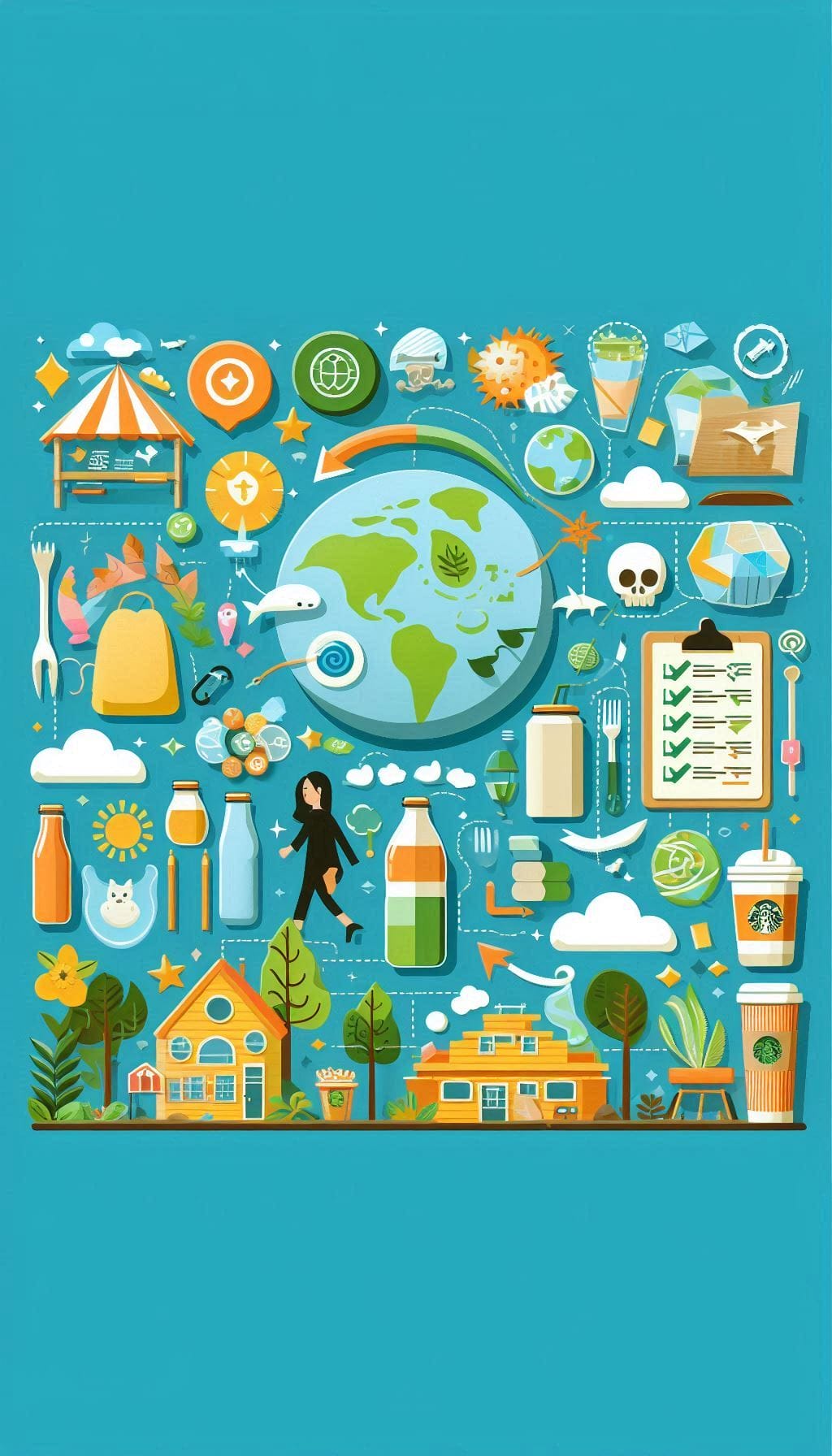

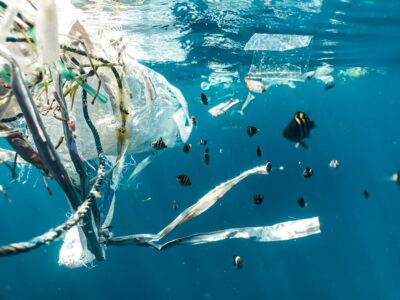
Each year, more than 8 million tons of plastic end up in our oceans worldwide. This not only puts marine life at risk through entanglement and ingestion but also contaminates water sources, indirectly affecting human health.

Think about this: a single plastic bottle can take as long as 450 years to break down naturally. This means that all the plastic ever created still exists in some form today.

By reducing our use of disposable plastics like bottles and bags, we can significantly decrease the amount of waste piling up around us – making a real difference for future generations.

It’s not just about rescuing turtles or dolphins; it’s also about protecting our own tomorrow. Plastic pollution isn’t just unsightly on beaches; it enters the food chain through microplastics consumed by fish and other creatures that humans eat too. Opting for reusable alternatives might seem minor at first glance, but collectively these choices wield significant power in reshaping how we engage with the world around us.

Picture a world where your morning coffee doesn’t result in non-biodegradable cups being left behind or your trip to buy groceries doesn’t involve excessive layers of plastic packaging heading for landfills or oceans. Embracing sustainable practices isn’t merely trendy; it’s about owning up to caring for the planet passed down to us and ensuring its vitality lasts beyond our time here – because remember, there is no Planet B!

Impact on Marine Life

Each year, our oceans become home to more than 8 million tons of plastic waste, posing a serious threat to marine animals. Picture this: a sea turtle confusing a floating plastic bag for food and suffering from serious harm after ingesting it. It’s like accidentally drinking soda when you thought it was water – but in this case, the consequences could be fatal for the turtle.

As they soar over vast ocean waters, seabirds often mistake colorful bits of plastic for prey like fish or squid. Imagine trying to differentiate between chocolate chips and raisins in your snack mix; birds face similar challenges with dire outcomes as consuming plastic wreaks havoc on their bodies.

Marine mammals such as dolphins and seals may come across abandoned fishing nets drifting in the water – deadly traps disguised among debris. It’s comparable to navigating an obstacle course blindfolded where one misstep can lead to entanglement and danger for these majestic creatures facing human-made threats beneath the surface.

The diversity of ocean life is at risk due to the constant influx of disposable plastics harming marine animals at alarming rates. Just like removing a piece from a Jenga tower causes everything to collapse, losing even one species because of plastic pollution disrupts entire ecosystems affecting nature’s delicate balance.

By making mindful choices today – opting for reusable alternatives instead of single-use plastics – we have the power to make a positive impact on our aquatic friends’ well-being. Envision each eco-friendly decision you make as adding another essential element towards creating healthier oceans where marine life can thrive without fear of harmful synthetic pollutants invading their habitats.

The Pros & Cons of Sustainable Packaging

Pros

  1. Decreases harm on the environment
  2. Encourages recycling and reusing materials
  3. Boosts brand image as eco-conscious
  4. Helps create a better world for our kids
  5. Sparks creativity in designing packaging

Cons

  1. Sustainable materials can be more expensive at first
  2. It’s hard to find sustainable packaging options sometimes
  3. We might need to change how we do our packaging
  4. Keeping products fresh and quality could be tough
  5. People need to learn why sustainable choices are good

Environmental Pollution Concerns

Plastic pollution also has a big impact on land environments. When we don’t throw away single-use plastics properly, it can mess up the land and make soil bad for plants. It also messes with nature by causing problems in different areas like parks and streets where plastic is everywhere. The bad thing about these plastics is they last a really long time, hundreds of years even, hurting animals and their homes.

If we burn single-use plastics wrong, they let out dangerous fumes that dirty the air a lot. This hurts people’s health and makes climate change worse because of all the greenhouse gases released. We need to stop using so much disposable plastic and start using things like reusable containers or items that break down naturally. By doing this, we fight against the cycle of harm caused by plastic pollution which affects our environment as well as our own health.

It’s important to remember that each piece of plastic we avoid helps lessen how much damage pollution does due to daily habits. Small changes in what we buy – like picking products with less packaging or carrying reusable bags – can make a big difference together in reducing waste worldwide.

Understanding how harmful plastic pollution is beyond just oceans helps us take steps towards protecting natural spaces for future generations too! Choosing to use less single-use plastics empowers everyone to look after our planet while creating cleaner communities now and for those who will come after us.

Health Implications for Humans

Microplastics from thrown-away single-use products enter our ecosystems, moving into the food chain and reaching humans through seafood or water supplies. These tiny particles often contain harmful substances that can affect human health when eaten regularly. By reducing the use of disposable plastics, we protect nature and ourselves from the dangers posed by plastic pollution.

When you choose a reusable option instead of a single-use plastic item, you help to lower potential health risks related to ingesting microplastics. Decreasing these harmful materials reduces the likelihood of toxic chemicals entering our bodies through contaminated food sources or water systems. Your daily decisions add up to create a healthier future for both the environment and people in general.

Imagine every time you say no to a plastic straw or bring your own shopping bag, it’s like adding another layer of protection against possible threats to human well-being caused by plastic waste buildup. Making simple changes towards sustainable options leads to positive changes within society, building habits that shield us from unknowingly exposing ourselves to dangerous pollutants found in everyday items like disposable plastics. Let’s unite in this mission for cleaner oceans, safer meals, and ultimately healthier lives for generations ahead!

Plastic Impact Across Diverse Natural Habitats

Ecosystem Type of Plastic Accumulation Level Impact
Marine Microplastics High Harmful to marine life
Forest PET Bottles Moderate Disrupts ecosystem balance
Freshwater Plastic Bags Low Affects aquatic organisms
Grasslands Polystyrene Foam High Alters natural habitat
Arctic Fishing Nets Very High Endangers wildlife and marine species
Wetlands Straws Moderate Interferes with wetland ecosystem functions

Innovative Alternatives and Solutions

Innovative alternatives like biodegradable materials, reusable containers, and sustainable packaging are here to tackle the challenges of single-use plastics. These solutions not only cut down plastic waste but also help protect our environment for future generations. Embracing these changes is a big step towards building a more sustainable world.

Businesses have a vital role in driving eco-friendly practices by using these new options. Switching to biodegradables and investing in reusable containers doesn’t just benefit the planet—it also boosts brand reputation with environmentally aware customers. It’s all about making responsible choices now that will make tomorrow better.

As consumers, we wield significant power in shaping market trends and pushing businesses to prioritize sustainability over convenience. By picking products packed with recyclable or compostable materials and choosing reusables whenever possible, each of us can significantly reduce our carbon footprint. Small steps count – remember that change begins with you!

Government Regulations and Policies

Governments all around the world are making rules and plans to cut down on single-use plastics by either banning certain items or encouraging businesses and communities to be more eco-friendly. These actions play a big part in guiding people towards sustainable choices while also making sure that industries take responsibility for their impact on the environment.

Did you realize that more than 8 million tons of plastic trash find their way into our oceans every year? This poses a threat to marine animals and harms delicate ecosystems. When governments step in to limit the use of single-use plastics, they can greatly lessen this worrying amount, helping protect our precious ocean habitats for future generations.

By outlawing products like plastic straws, bags, and utensils, governments are sending a clear message about the urgent need to switch over to greener options. These moves push both individuals and businesses to rethink how they consume goods and embrace practices that are better for not only nature but also human health.

Furthermore, these regulations often spark creativity in designing products by pushing companies towards creating packaging that breaks down naturally or investing in reusable alternatives. This shift towards using eco-friendly materials encourages an attitude of sustainability within different industries, paving the way for a cleaner future where harmful plastic waste is no longer seen as normal.

As responsible citizens who care about our planet’s well-being , it is important for us support government actions against single-use plastics by actively taking part in recycling programs choosing reusable products when we can instead of disposable ones advocating for stricter environmental policies at local levels. Along with global efforts from authorities worldwide , we can truly make a positive impact on reducing plastic pollution preserving Earth’s natural beauty .

Eco-friendly swaps for plastic products

  1. ### Simple Swaps to Reduce Plastic Use
  2. **Switch to a reusable water bottle:** Ditch those single-use plastic bottles and grab a cool reusable one instead! You’ll help cut down on pollution, and many of these bottles are made from sustainable materials like stainless steel or glass.
  3. **Try beeswax wraps for food storage:** Toss out that old plastic cling wrap and try using beeswax wraps instead! They’re easy to wash, can be used over and over again, and they break down naturally when you’re done with them – a fantastic way to reduce plastic waste in your kitchen.
  4. **Make the move to stainless steel straws:** Those pesky single-use plastic straws are major contributors to our planet’s pollution problem. Swap them out for sturdy stainless steel versions that you can use time after time. They’re super simple to clean and will last you ages!
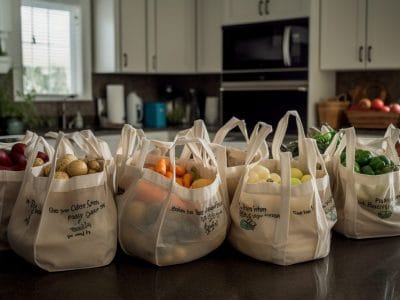
  5. **Bring your own shopping bags:** Skip those flimsy plastic grocery bags by bringing your own durable shopping bags every time you hit the store – keep some handy in your car or purse so you’re always ready for an eco-friendly shopping trip.
  6. **Go green with bamboo toothbrushes:** Did you know billions of plastic toothbrushes end up in landfills each year? Switch things up with a biodegradable bamboo toothbrush that’s compostable too! Not only is it better for our environment, but it also adds a natural touch of beauty to your bathroom routine.

Community Engagement Initiatives

When local communities get involved in cleaning up, setting up recycling programs, or spreading awareness through educational campaigns, it helps everyone understand why cutting down on single-use plastics is crucial. These actions not only safeguard marine life but also fight against pollution that harms our environment globally. By including community members in these tasks, we build a sense of shared responsibility for creating a sustainable future.

Picture a neighborhood coming together for a day dedicated to cleaning the beach – kids eagerly collecting plastic bottles and adults sorting recyclables with purpose. Moments like these don’t just make communal areas look nicer; they also instill lasting values about taking care of the environment. Community involvement creates ripple effects; when one person starts using reusable bags at the store, others notice and start doing the same.

Every small action by individuals adds up to create significant impacts in battling plastic pollution. When neighborhoods join forces around common objectives like reducing single-use plastics, they become powerful drivers of positive change worldwide. Through getting communities engaged and teaching them about sustainable practices, we lay the groundwork for adopting greener habits that benefit current ecosystems as well as future generations.

Corporate Responsibility Measures

Many big companies are now actively joining the fight against plastic pollution by taking important steps towards sustainability. They are embracing circular economy models that promote recycling and reusing materials, which helps reduce the need for new plastics. By focusing on redesigning products to prioritize durability over disposability, companies are moving towards long-lasting solutions that have a minimal impact on the environment.

Investments in improving recycling infrastructure show a positive change in how businesses take responsibility to combat single-use plastics. These efforts not only help with better waste management but also encourage a more sustainable way of using resources. By enhancing their ability to recycle materials, businesses play their part in creating a system where items can be repurposed instead of thrown away after one use.

Through forming strategic partnerships with environmental groups and government bodies, corporations increase their influence in reducing plastic waste significantly. Collaborative actions like cleaning up beaches or running nationwide campaigns raise awareness about plastic pollution and inspire collective efforts towards cleaner oceans and landfills. Corporate social responsibility goes beyond individual actions as it encourages communities to work together for a greener future.

Companies leading the charge in adopting sustainable practices set an inspiring example for others within their industry and beyond. By implementing eco-friendly policies that prioritize planet health over profit margins, these companies demonstrate how business success can align harmoniously with being environmentally responsible. Through being transparent about their goals for sustainability and providing updates on measures taken to reduce plastic usage, they pave the way for increased accountability across various sectors.

The commitment of corporations to cut down on single-use plastics signals an encouraging shift towards making more mindful consumer choices globally. As businesses strive to innovate packaging solutions using biodegradable alternatives or refillable options, individuals find it easier to make greener purchasing decisions effortlessly.

Together with consumers who demand eco-conscious products, corporate responsibility initiatives drive meaningful change toward achieving a cleaner planet we all share – fostering hope for future generations’ well-being!

Educational Campaigns for Behavior Change

Education plays a crucial role in shaping how we make sustainable choices when it comes to using single-use plastics. Schools, NGOs, and advocacy groups can run campaigns to raise awareness about the harmful effects of plastic pollution. These efforts also encourage us to adopt habits that focus on cutting down waste and protecting our resources.

Thanks to technological progress, there are now smart ways to recycle plastics effectively. Innovative methods allow us to turn used plastics into valuable materials for making new products. Processes like chemical recycling, mechanical sorting systems, and upcycling techniques help make sure plastic gets reused efficiently instead of ending up in landfills or harming nature. By embracing these technologies, we can manage plastic waste more sustainably while boosting resource efficiency across global supply chains.

Tackling the problem of single-use plastics calls for teamwork on a global scale involving governments, nonprofits, businesses, and individuals like you and me. Collaborative projects such as the United Nations’ Clean Seas campaign or regional agreements focusing on reducing plastic waste targets show how countries worldwide can join forces toward creating a cleaner planet with less burden from excessive plastic pollution.

FAQ

1. How can I reduce my reliance on single-use plastics in my daily life?

To cut back on single-use plastics in your daily routine, choose reusable options like water bottles, shopping bags, and containers. Also, show your support for businesses that provide plastic-free alternatives.

2. What are some practical alternatives to single-use plastic products?

To cut down on plastic waste and help the environment, consider switching to reusable items like water bottles, cloth shopping bags, stainless steel straws, and glass food containers instead of single-use plastics.

3. Why is it important to minimize single-use plastics for the environment?

Reducing the use of disposable plastics is super important for the environment because it lowers pollution, saves wildlife, and safeguards our planet’s fragile ecosystems for generations to come.

4. How can I encourage others to join me in reducing plastic waste?

Inspire others to help cut down on plastic waste by setting a good example, educating them about the dangers of single-use plastics, and recommending simple swaps for a greener lifestyle.

5. What impact do single-use plastics have on marine life and ecosystems?

Single-use plastics harm marine life and ecosystems by causing entanglement, ingestion, and disrupting natural habitats. This poses a serious threat to the health of our oceans.

6. Are there any specific policies or regulations in place to curb the use of single-use plastics?

Many countries and cities have taken action by banning or limiting the use of single-use plastics like plastic bags, straws, and utensils. These measures aim to decrease plastic pollution and encourage the adoption of more sustainable options.

the importance of prioritizing plastic reduction

Recycling vs. Reducing: The Importance of Prioritizing Plastic Reduction

December 7, 2023 by webmaster

Understanding the Plastic Problem Let’s be real, we are caught knee-deep in a tidal wave of plastic that appears to surge relentlessly. Take a glance around you, and you’ll see plastic everywhere. Your keyboard, your coffee cup, the pen in your hand, heck, even the clothes you’re wearing could be made from plastic. Plastic has …


Read moreRecycling vs. Reducing: The Importance of Prioritizing Plastic Reduction

The Future Of Packaging | Innovations In Plastic-Free Packaging Solutions

December 7, 2023 by webmaster

An Overview of the Current State of the Packaging Industry The packaging industry currently finds itself in a state of flux, increasingly pressured to address significant environmental concerns stemming primarily from over-reliance on non-recyclable materials and unsustainable practices. At the heart of these concerns lie single-use plastic packaging and plastic waste, which contribute significantly to …

Read moreThe Future Of Packaging | Innovations In Plastic-Free Packaging Solutions
biodegradable plastics

The Science Of Biodegradable Plastics | What You Need To Know

December 7, 2023 by webmaster

Introduction to Biodegradable Plastics Biodegradable plastics, often referred to as ‘bioplastics,’ stand as a revolutionary solution to plastic pollution, a global issue we grapple with today. This innovative material, unlike conventional plastics derived from petroleum, is designed to degrade via natural processes. Traditional plastics pose significant environmental hazards due to their long degradation period, given …

Read moreThe Science Of Biodegradable Plastics | What You Need To Know

Single-Use Plastics And Health | Understanding The Risks And Solutions

December 7, 2023 by webmaster

Understanding the Single-Use Plastic Crisis and Its Impacts Understanding the crux of the single-use plastic crisis is the first step in confronting its captivating and recurrent effects. Single-use plastics, such as plastic bags, plastic bottles, and plastic packaging, represent a significant portion of global plastic production, with millions of tons of these plastic products entering …

Read moreSingle-Use Plastics And Health | Understanding The Risks And Solutions
single use plastics in the food industry

Single-Use Plastics in the Food Industry | Innovations and Sustainable Practices

December 7, 2023 by webmaster

Introduction to Single-Use Plastics in the Food Sector The prominence and use of single-use plastic in the food industry have grown exponentially in recent years, notably in food packaging applications. The food sector — from food containers to food safety measures — has harnessed plastic for its convenience, durability, and sanitation properties. However, the rise …

Read moreSingle-Use Plastics in the Food Industry | Innovations and Sustainable Practices

Reducing Plastic Waste At Home | Practical Steps For A Greener Household

December 7, 2023 by webmaster

Introduction to the Current State of Plastic Use and Waste In today’s world, plastic consumption runs rampant, with items ranging from disposable plastic bags, spray bottles, water bottles, and even single-use plastic utensils finding their way into our everyday lives. The mammoth presence of the material in every corner of the globe is a testament …

Read moreReducing Plastic Waste At Home | Practical Steps For A Greener Household
reusable grocery bags

How To Create A Plastic-Free Shopping Routine | Tips For Conscious Consumers

December 7, 2023 by webmaster

Introduction to a Plastic-Free Shopping Routine In an era where sustainability and eco-consciousness are no longer an option, but a need, the idea of a plastic-free shopping routine is gaining significant traction. The grocery shop is one place where we can make abundant eco-friendly choices and significantly reduce our carbon footprint. Plastic pollution has become …

Read moreHow To Create A Plastic-Free Shopping Routine | Tips For Conscious Consumers
replacing single use plastics with sustainable materials

Simple Swaps | Replacing Single-Use Plastics With Sustainable Alternatives

December 7, 2023 by webmaster

Introduction to Plastic-Free Swaps for a Sustainable Lifestyle The global environment is under increasing pressure from plastic waste, prompting a global shift towards a more sustainable lifestyle. Single-use plastic, ubiquitous in our daily lives, has caused considerable plastic pollution, resulting in a detrimental impact on not only wildlife and the environment, but human health as …

Read moreSimple Swaps | Replacing Single-Use Plastics With Sustainable Alternatives

The Environmental Impact of Single-Use Plastics: Why We Need to Change

December 7, 2023 by webmaster

Understanding Single-Use Plastics and their Pervasiveness In today’s world, we are surrounded by plastic. More often than not, these are single-use items – the kind that serve their purpose once and then get tossed away. Think of your morning coffee cup, the plastic bag from the supermarket, or the straw in your drink. These items …

Read moreThe Environmental Impact of Single-Use Plastics: Why We Need to Change

Embrace The Future NOW!

Where eco-sustainability is not just a concept, but a proactive commitment to a healthier planet for future generations.

Learn More
Eco Life Zone

Growing Greener, Living Cleaner: Your Journey to Sustainability.

555-864-2258

info@ecolife.zone

Sitemap
  • Home
  • Sitemap
  • About Us
  • Blog
  • Contact
Sustainable Life Insights

Dive into a our knowledge. Engaging and informative content on the dynamic world of sustainable and eco-friendly living.

Read More

Copyright © 2008 EcoLife.zone | All Rights Reserved.