• Skip to main content
  • Skip to header right navigation
  • Skip to after header navigation
  • Skip to site footer
eco life logo

Eco Life Zone

Green living for a sustainable eco based future

  • About
  • Sustainability
    • Eco-Friendly Homes
      • Energy Efficiency
      • Solar Power Systems
      • Water Conservation
      • Wind Turbines
    • Sustainable Transportation
      • Biking
      • Electric and Hybrid Cars
      • Public Transport
      • Walking and Pedestrian-Friendly Initiatives
    • Zero Waste Lifestyle
      • Composting
      • Recycling
      • Reducing Single-Use Plastics
      • Sustainable Packaging
  • Green Living
    • Natural Health
      • Ethical Fashion
      • Herbal Remedies
      • Holistic Wellness Practices
      • Nutrition and Whole Foods
    • Organic Gardening
      • Permaculture
      • Urban Gardening
  • Travel
    • Eco-Friendly Destinations
      • Eco-Lodges
      • National Parks and Reserves
    • Low Impact Travel
      • Carbon Offsetting
      • Packing Light
    • Responsible Travel
      • Ethical Animal Tourism
      • Voluntourism
  • Contact
  • Jobs
  • Learn More

Organic Gardening

Choosing Organic Seed and Creating Compost

organic gardeningChoosing organic seeds is the first step to establishing your organic garden. It is the genesis of cultivating a produce-packed harvest that is not only bountiful but also maintains soil health, supports beneficial insects and pollinators, and eliminates reliance on synthetic fertilizers and pesticides.
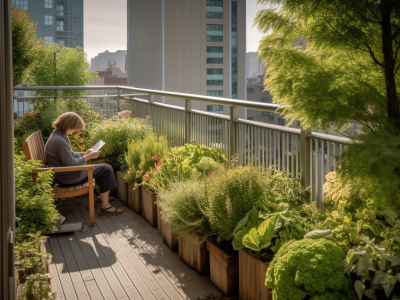
The entire process instills a deeper understanding of plant health and life cycles, making it makes for an enriching gardening experience. As an organic gardener, you should also consider crop rotation in your garden bed for the best results, aiding in natural pest control and bolstering soil fertility.

Furthermore, a key component of successful organic gardening practices is creating your compost.

In essence, compost serves as a natural, nourishing fertilizer, comprised of organic matter, such as grass clippings, kitchen scraps, and manure. All these elements break down, thanks to soil microbes, to give your plants the nutrients they need to grow and thrive. Adding organic matter to the compost improves soil structure, enriches the soil fertility, and aids in moisture retention. Hence, making compost is an effective way to add organic material to your garden organically, promoting healthy soil and successful organic production.

Remember to use a mix of ‘green’ materials, like vegetable peels, and ‘brown’ materials like branches or leaves, for a balanced compost:

  • Use organic waste from your kitchen (avoiding meat and dairy products)
  • Add yard waste like grass clippings and leaves
  • Incorporate manure from herbivores
  • Turn the pile occasionally to aid in the decomposition process
  • Aim for a moist, but not drenched compost pile

Adding compost to your vegetable garden year after year has been found to not only enhance soil fertility and structure but also improve plants’ disease resistance. It acts as a soil conditioner, an organic fertilizer, and an effective addition of beneficial soil microbes. Incorporating compost into your garden bed also aids in mitigating soil erosion, a common backyard problem. Finally, it sets the foundation for an organic garden that is both productive and environmentally friendly.

Pest Control and Weed Management

Pest control and weed management are critical components of greening one’s thumb and keeping gardens healthy year-round. Conventional gardening often utilizes synthetic pesticides and chemical fertilizers, but many gardeners are shifting to organic methods for both health and environmental considerations. When contemplating vital gardening basics, it’s essential to start small, especially for new home gardeners. Growing conditions like soil type, temperature, and the amount of sunlight dictate what kind of plants can thrive in a small garden. A soil test is a handy tool to help gardeners determine what plants their garden can support; it will provide detailed information such as the soil level of nutrients and nitrogen.

To start an organic garden, one should consider creating a raised bed, which allows home gardeners to control the quality of their soil and steer clear of any synthetic pesticides previously used. A mixture of organic materials like compost or organic mulch can add valuable nutrients to the soil and improve the soil’s overall health, promoting an ideal environment in which plants grow. Here are some steps to address pest problems using organic methods:

  • Encourage beneficial insects that serve as natural predators to garden pests.
  • Use organic pesticides approved by the Organic Materials Review Institute.
  • Use physical barriers like row covers to protect plants from pests and diseases.
  • Keep the garden clean to remove possible pest breeding sites.

Utilizing such methods can help nourish the soil and allow a healthy garden to thrive without resorting to harmful chemicals. The National Organic Program provides guidelines for how to manage pests effectively using organic practices, including details regarding the application of certified organic products. With these tips in mind, the dream of a vibrant and thriving organic vegetable plot or flower garden can become a reality, starting this growing season.

Identifying and Controlling Pests

Identifying and controlling pests is a crucial aspect of maintaining a successful and thriving organic farm or garden. Pests and diseases can significantly impair the health of your plants, compromise your organic produce quality, and reduce overall yield. To start, getting a grasp on pest management can feel overwhelming if you don’t know where to start. Don’t worry, though, you’re not alone, and resources like your state extension or the local garden cooperative extension are there to assist. These institutions can help you determine what pests are prevalent in your area and the best methods to control them, so your plants get the robust protection they need.

First, it’s important to ensure your garden’s health by adding organic matter to the soil, which can be achieved via cover cropping. Cover cropping is an organic farming technique that improves the soil properties by adding organic materials, like compost or manure. This in turn nourishes the soil with essential nutrients like nitrogen, which is a key to healthy plant development. Sustainable pest management doesn’t merely address the pests themselves but also improves the overall growing conditions during the growing season. Be sure to include native plants in your garden, which are often more resistant to local pests.

For those instances where intervention is necessary, opt for organic sprays or products approved by the Organic Materials Review Institute. These certified organic products are rigorously assessed to ensure their safety and efficacy. By enhancing your soil, fostering native plants, and implementing careful pest management, you have a head start in ensuring your garden or farm is brimming with healthy, organic vegetables.

Techniques to Prevent and Remove Weeds Organically

Organic control of weeds is multifaceted and employs a range of techniques that aim to inhibit weed growth without resorting to chemical assistance. Effective organic weed prevention strategies are generally populace, focusing on creating an environment in which weed species struggle to compete. One simple but effective method is to allow your preferred plants to get a head start. This typically involves germinating your seeds or bulbs inside or protected spaces, and then transferring them to your garden once they’re sturdy enough to outcompete any potential weeds. A somewhat more labor-intensive yet rewarding approach is mulching, which has the dual benefits of suppressing weed growth and promoting soil health. Mulch acts as a physical barrier between weeds and the sunlight they crave, whilst concurrently nourishing your soil with organic matter.

Furthermore, embarking on an elementary institute of food cropping approach can prevent weeds. Crop rotation and intercropping are established agricultural techniques that can be applied in the home garden as well. Interplanting various crops can hamstring weed expansion by literally crowding them out. The key to understanding organic weed control is a shift in perspective: rather than viewing the garden as a battlefield, view it as an ecosystem. Therefore, considering what the plants need and regulating these factors can build an environment conducive to the plants you want, and inhospitable to those you don’t. It’s wise to experiment with these techniques to discover what combination works best for your garden’s unique needs.

Some organic-focused gardeners have found success with:

  • Solarization: Using the sun’s heat to kill weed seeds and young plants.
  • Hand-pulling: A simple yet effective process of manually removing weeds from your garden.
  • Vinegar: Acetic acid in household vinegar can act as an organic herbicide when applied directly to weed leaves. 

Remember, no method is surefire, and often a mix-and-match approach will yield the best results.

Best Gardening Practices

Gardening can be a deeply rewarding activity, offering both mental and physical benefits. The foundation of successful gardening lies in understanding the best practices to follow, developed through years of cultivation and experimentation. Essential among these practices is recognizing what plants need to thrive. This involves careful consideration of the type of soil, sunlight exposure, and the appropriate amount of water for each plant variety. By meeting these essential needs, the gardener sets the stage for optimal plant growth and health.

The Institute of Food and Agriculture has specifically highlighted a few critical guidelines to help gardeners maintain a thriving garden. To give young plants a head start, it’s advised to begin seedlings indoors where they can be nurtured in a controlled environment before being relocated outdoors. Moreover, implementing crop rotation practices can greatly improve soil health and, in turn, the quality of the produce. Monitoring and maintaining the correct temperature, set at a steady 0.5 degrees, can drastically influence the germination rate and overall plant vigor.

In conclusion, understanding and implementing these best practices can significantly enhance the quality of your gardening experience and produce. Thorough research, attention to detail, and the willingness to learn from mistakes are the gardener’s most valuable tools.

Tips and Techniques

Delving into the realm of tips and techniques, it’s important to remember the maxim “knowledge is power”. Strategizing and planning in any endeavor, be it professional or personal, can certainly give a head start and facilitate steady progress toward the desired outcome. In the world of horticulture or agriculture, for instance, understanding what plants need in various stages of their growth is critical to ensure their healthy flourishing. This can range from aspects like direct sunlight requirements, types of soil, water intake, and pest control, to specific nutrient needs.

Throughout the years, organizations such as the Institute of Food and Agricultural Sciences have been conducting extensive research to provide helpful tips and innovative techniques. For example, aiming to enhance the efficiency of farming practices or home gardening. Applying their insights in practical methods might involve a variety of strategies such as:

  • Regular soil conditioning and rotation of crops.
  • Timely fertilization, ensuring a balanced supply of nutrients to plants.
  • Implementing integrated pest management to minimize damage.
  • Adequate watering, monitoring humidity levels and temperature to mimic ideal growth conditions.

Educating yourself using such professionally derived resources can enhance your skill set and potentially transform your green thumb into a more rewarding venture. In conclusion, assimilating tips and techniques can significantly complement and elevate your existing practices, leading to improved outcomes in your chosen field.

Maximizing the Yield of your Organic Garden

Maximizing the yield of your organic garden demands a comprehensive approach that involves understanding the complex interplay of various factors that influence plant growth and productivity. The fundamental principle of successful organic gardening lies in the understanding that “plants need” efficient nutrient uptake, adequate water, sunlight, and a naturally enriched soil environment to accelerate growth and development. Each of these factors significantly affects yield potential, quality, and the overall sustainability of organic gardening methods.

In alignment with advanced agricultural research provided by authorities such as the “Institute of Food”, there are various strategic steps one can take to optimize the productivity of their organic garden and ensure a surplus yield. First, consider the role of soil health which can be improved through the use of organic compost and other soil amendments such as bone meal, rock phosphate, and green manure crops. Additionally, implementing good watering practices and choosing plant varieties appropriate for your climate can provide a significant “head start” in building a high-yield organic garden.

However, remember it’s not just about maximizing yield but also about fostering a diverse and resilient garden ecosystem. As such, intercropping, crop rotation, and building polyculture gardens are beneficial techniques to include in your organic gardening practice. In this journey of organic gardening, always keep these bullet points in mind:

  • Maintain Soil Health: Use organic compost and soil amendments.
  • Good Watering Practices: Avoid overwatering and underwatering.
  • Choose Appropriate Plant Varieties: Consider your local climate and choose plants accordingly.
  • Foster Garden Ecosystem: Include practices like intercropping and crop rotation.
  • Consider Polyculture: Grow a variety of plants to increase biodiversity and resilience. 

Remember, maximizing yield isn’t just about quantity but also quality; healthy plants will provide nutritious and delicious produce. Be patient and persistent in your organic gardening efforts. With the right knowledge and techniques, you can surely boost your organic garden’s productivity.

Using Plants Without Pesticides

Pursuing an organic approach to gardening, one that specifically avoids the use of pesticides may initially seem challenging but it promises rewarding results. When carefully managed, a pesticide-free garden offers a wide range of benefits for both the environment and the individual gardener. At the core of organic gardening is the undeniable fact that plants need to be treated with care, providing them with a balanced diet of nutrients and ensuring their protection from pests and diseases. The decision to use plants without pesticides is significantly beneficial for our health as well as the well-being of our planet.

For successful gardening without the use of pesticides, one should be conversant with the following key practices:

  • Ensuring plant diversity to deter pests
  • Regularly checking for early signs of pest infestation
  • Using natural predators and traps for pest control
  • Practicing crop rotation and companion planting

A recent study conducted by the Institute of Food revealed that sustainable gardening practices such as these can promote healthier plant growth. Starting your plants in a pesticide-free environment gives them a head start, fostering resilience and increasing their natural defenses against pests and diseases. Ultimately, by consciously employing such practices, we can participate in creating healthier ecosystems while at the same time reaping the well-deserved fruits of our labor.

The Role of Plants in Organic Pest Control

Plants have a significant role to play in organic pest control, acting as a natural line of defense for our crops, gardens, and even our homes. They reduce our dependency on harsh, chemical pesticides that negatively affect the environment and may pose a threat to our health. Plants need to fend off pests not only for their own survival but also to contribute to the health of the broader ecosystem. The principles of organic pest control are largely borrowed from the scientific study of natural ecosystems and their intricate balance of pests and predators. This method focuses on using plants’ inherent abilities to repel certain pests, acting as a head start in the war against harmful insects.

The Institute of Food and Agricultural Sciences has conducted considerable research on this topic, highlighting a few key strategies for integrating plants in organic pest control. These include:

  • Companion Planting: Growing specific plants side by side can deter pests and encourage healthy growth in both plants.
  • Trap cropping: Planting a ‘trap’ crop to lure pests away from the main crop.
  • Incorporating plants that attract beneficial insects. These predator species help to keep the pest population in check.

While these strategies require an understanding of the traits of different plants and pests, they offer a promising, sustainable option for organic pest control. This not only maintains the health of our plants but also contributes to biodiversity and the well-being of our planet.

Conclusion

In summary, it is crucial to understand that plants need specific conditions to grow and thrive. These conditions include access to sunlight, water, and nutrients. This knowledge is based on extensive research conducted by renowned organizations, such as the Institute of Food. The research conducted by this institution has revolutionized our understanding of how plants grow, leading to innovative methods for improving plant health and productivity. 

We’ve also delved into the idea of giving plants a ‘head start’ in their growth process. This can be achieved in various ways – from choosing the right seeds, and providing adequate care, to creating optimal growing conditions. By doing so, we are not just enhancing the growth of the plant but also reducing the onset of possible diseases, making the plant healthier and stronger.

Therefore, recognizing what plants need and providing them with a head start, backed by research from the Institute of Food, can prove to be significantly beneficial for both individual plant growers and large-scale farming operations. This integrated approach is key to promoting healthier plants and, by extension, a healthier world.

FAQ’s:

1. Q: What do plants need to thrive in organic gardening?  

   A: In organic gardening, plants need a healthy environment that includes nutrient-rich soil, right sunlight, and appropriate watering. They also necessitate the use of natural fertilizers and pest control methods to sustain and promote growth.

2. Q: How does the Institute of Food and Agricultural Sciences contribute to organic gardening?

   A: The Institute of Food and Agricultural Sciences provides several research and education programs that promote organic gardening. These include providing tips on the proper care of the soil and resources on organic pest management methods.

3. Q: Why is organic gardening beneficial to our environment and health?

   A: Organic gardening is beneficial to our environment and health because it excludes the use of synthetic fertilizers and pesticides. Preserving plant and soil health naturally leads to healthier food for consumption and reduces harmful environmental impacts.

4. Q: What is a great way to give your plants a head start in organic gardening?

   A: A great way to give your plants a head start in organic gardening is by beginning with quality organic seeds or by selecting healthy, organic seedlings from a local nursery. By doing so, you maximize your plants’ potential and ensure they’ve not been exposed to synthetic chemicals.

5. Q: How important is crop rotation in organic gardening?

   A: Crop rotation plays a vital role in organic gardening; it helps maintain soil fertility and reduces the risk of pests and diseases. Different plants need different nutrients, and rotating crops yearly helps balance the soil’s nutrients and break pest and disease cycles.

6. Q: How do organic gardening practices contribute to biodiversity?

   A: Organic gardening practices contribute to biodiversity by creating an environment that supports a variety of organisms. Unlike conventional gardening, it encourages the conservation of various plant species and promotes the coexistence of different beneficial insects and organisms. 

7. Q: What are some common misconceptions about organic gardening?

   A: Some common misconceptions about organic gardening include the idea that it is always more expensive and time-consuming than conventional agriculture. Though it may require a bit more initial effort, investing in practices like composting, mulching, and using organic seeds can save costs and time in the long run.

the healing power of urban gardens

The Healing Power of Urban Gardens: Promoting Well-Being in City Life

December 9, 2023 by webmaster

Discovering Urban Agriculture: A New Wellness Trend Can you imagine rows of juicy tomatoes, green crispy kale, and sun-kissed peaches growing in the heart of the concrete jungle? Yes, indeed! Urban agriculture is surging as a new wellness trend that’s reshaping the way city dwellers perceive farming. More and more city folks are jamming balconies …

Read moreThe Healing Power of Urban Gardens: Promoting Well-Being in City Life
creating havens for bees and butterflies

Pollinator Gardens in the City: Creating Havens for Bees and Butterflies

December 9, 2023 by webmaster

Discovering the Importance of Urban Bee and Butterfly Sanctuaries You won’t believe what’s causing a buzz in the midst of urban jungles! Urban bee and butterfly sanctuaries, small havens amid concrete structures, are making a world of difference in our ecosystems. These little green spaces, filled with an array of vibrant flowers and plants, provide …

Read morePollinator Gardens in the City: Creating Havens for Bees and Butterflies
Indoor Edible Gardens: Year-Round Organic Harvests in Your Urban Home

Indoor Edible Gardens: Year-Round Organic Harvests in Your Urban Home

December 9, 2023 by webmaster

Unleashing the Power of Green Living Spaces Imagine waking up every morning to vibrant green lushness peeking through your windows. Seeing the vibrant colors of freshly bloomed flowers dancing in the wind, the aroma of mint and lavender filling the air. This is the incredible magic of green living spaces! Transforming your residential area into …

Read moreIndoor Edible Gardens: Year-Round Organic Harvests in Your Urban Home
Container Gardening | Growing Organic Produce In Pots And Planters

Container Gardening | Growing Organic Produce In Pots And Planters

December 9, 2023 by webmaster

Introduction to Container Gardening: A Complete Guide Container gardening, dubbed the entrée of urban horticulture, has revolutionized the concept of gardening by enabling the growing of organic vegetables in small spaces. This gardening niche has been a game-changer for many city dwellers who have always yearned to grow food but lack a traditional garden bed. …

Read moreContainer Gardening | Growing Organic Produce In Pots And Planters

Urban Composting | Turning Food Scraps Into Nutrient-Rich Soil

December 9, 2023 by webmaster

Understanding the Advantages of Urban Composting Understanding the Advantages of Urban Composting involves acknowledging that it addresses several environmental and waste management challenges facing our cities today. By turning food scraps, grass clippings, and other organic materials into compost, the process reduces the volume of food waste and other organic matter ending up in landfills. …

Read moreUrban Composting | Turning Food Scraps Into Nutrient-Rich Soil
Windowsill Herb Gardens | Fresh Flavor In Compact Urban Homes

Windowsill Herb Gardens | Fresh Flavor In Compact Urban Homes

December 9, 2023 by webmaster

Introduction to Indoor Herb Gardens for Urban Homes Indoor herb gardens offer a delightful way to usher nature into the heart of urban homes. Offering an aesthetic appeal coupled with practical benefits, the establishment of an indoor herb garden becomes an effective method to grow herbs indoors effortlessly and enjoy fresh herbs year-round for your …

Read moreWindowsill Herb Gardens | Fresh Flavor In Compact Urban Homes
Balcony Gardens

Balcony Gardens | Bringing Greenery And Sustainability To Urban Apartments

December 9, 2023 by webmaster

Introduction to Balcony Gardens: Small Space Greenery in Urban Apartments In the midst of urban environments characterized by high-rise apartment buildings and bustling streets, the concept of balcony gardens has emerged as a breath of fresh air, quite literally. Balcony gardens represent a new wave of urban gardening, enabling apartment dwellers to transform their small …

Read moreBalcony Gardens | Bringing Greenery And Sustainability To Urban Apartments
vertical gardening

Vertical Gardening in the City: Maximizing Space for Organic Growth

December 9, 2023 by webmaster

Understanding Urban Agriculture: An Overview Prepare to dive headfirst into a dynamic and bustling world of city landscapes transformed into fertile farmlands! Urban agriculture is a riveting field that breaks the barriers of traditional farming techniques and adapts them to best suit the concrete jungle environment. It is an innovative approach that has agricultural enthusiasts …

Read moreVertical Gardening in the City: Maximizing Space for Organic Growth
Urban Gardening 101

Urban Gardening 101: Cultivating Green Spaces in the City

December 9, 2023 by webmaster

Discovering the Charm of Metropolitan Greens Urban dwellers toil away amidst the hustle and bustle, often oblivious to the verdant charm shining like a beacon in a concrete jungle. Imagine peering from your apartment window in the heart of the city, only to be greeted by lush greenery spreading over roofs and terraces; a delightful …

Read moreUrban Gardening 101: Cultivating Green Spaces in the City
  • Page 1
  • Page 2
  • Next

Embrace The Future NOW!

Where eco-sustainability is not just a concept, but a proactive commitment to a healthier planet for future generations.

Learn More
Eco Life Zone

Growing Greener, Living Cleaner: Your Journey to Sustainability.

555-864-2258

info@ecolife.zone

Sitemap
  • Home
  • Sitemap
  • About Us
  • Blog
  • Contact
Sustainable Life Insights

Dive into a our knowledge. Engaging and informative content on the dynamic world of sustainable and eco-friendly living.

Read More

Copyright © 2008 EcoLife.zone | All Rights Reserved.